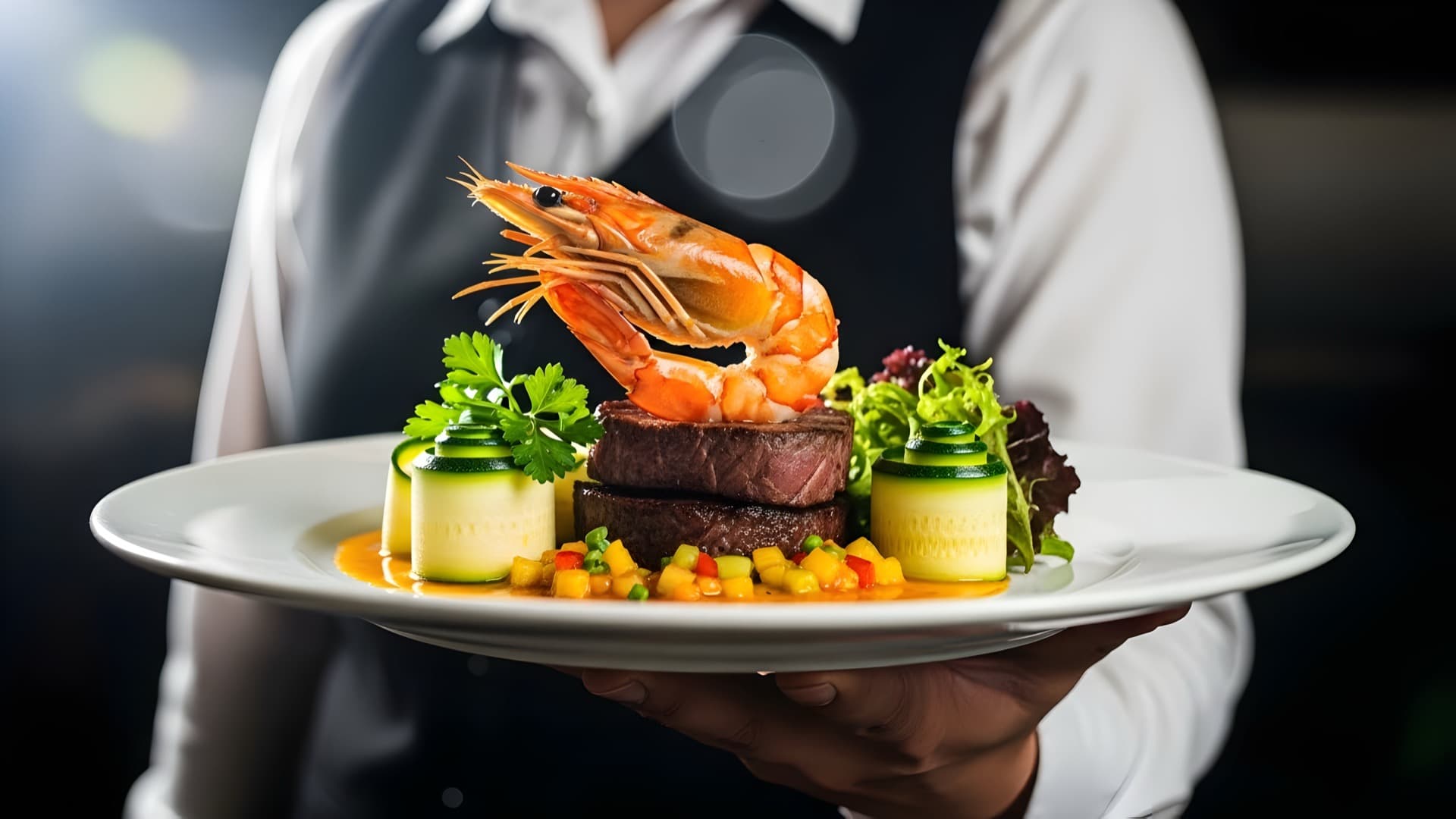
Food is the make-or-break factor for many cruise vacations. You'll eat 4-6 times a day for 7-14 days. That's 30-80 meals on a single trip. If the food is mediocre, that's a lot of forgettable meals. If it's exceptional, dining becomes one of the highlights of the entire vacation.
The cruise industry knows this. The last decade has seen a genuine culinary arms race. Celebrity chef partnerships, farm-to-ship sourcing, molecular gastronomy at sea, and cooking classes taught by actual culinary instructors. Some cruise ship restaurants now rival Michelin-starred shoreside restaurants. Others still serve overcooked salmon from a steam table.
Here's where to find the best food afloat in 2026.
Hungry for the right ship? Browse current cruise deals across foodie-favorite lines on Cruisebound. Filter by line, length, and ship to find the dining experience that fits your taste.
Cruise Lines Ranked for Food Quality
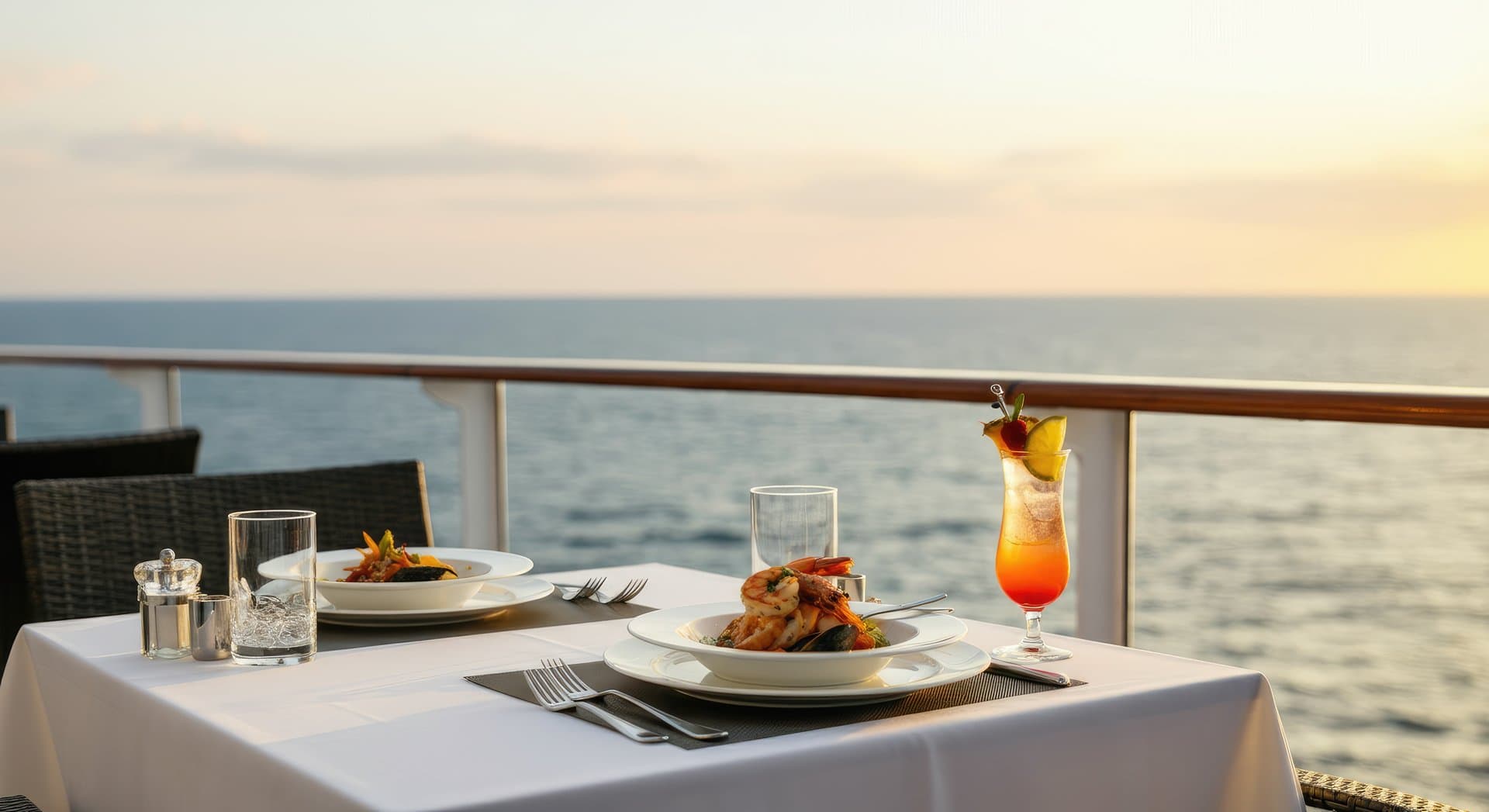
Tier 1: Exceptional Dining
Oceania Cruises. The Best Food at Sea
Oceania's tagline is "The Finest Cuisine at Sea," and they earn it. Every meal on an Oceania ship, from the buffet breakfast to the formal dinner, reflects a commitment to quality that other lines simply don't match at this scale.
What makes it special:
Jacques (French): Named for Jacques Pepin, who serves as the line's executive culinary director. Classic French bistro cuisine prepared with meticulous technique
Red Ginger (Asian): Pan-Asian restaurant with dishes that would hold up in any major city's restaurant scene
Toscana (Italian): Handmade pasta, regional Italian specialties, and a wine list to match
Polo Grill (Steakhouse): Premium cuts, classic preparations
All specialty dining is complimentary. No cover charges, included in the fare
The Canyon Ranch Spa menu offers healthy options that are genuinely delicious, not just "healthy for a cruise ship"
Ingredients: Oceania bakes bread from scratch onboard, uses high-quality olive oil, and sources regional ingredients at ports of call
Who it's for: Serious food lovers who want consistently excellent dining without paying extra at specialty restaurants. Oceania sails smaller ships (1,250 passengers), which allows for greater kitchen quality control.
Trade-off: Oceania is a premium line with fares 30-50% higher than mainstream lines. You're paying for the food quality. It's just built into the fare rather than charged as add-ons.
Regent Seven Seas Cruises. All-Inclusive Luxury Dining
Regent's all-inclusive model means every restaurant, every meal, and every beverage is included. The culinary quality matches the luxury positioning.
Standout venues:
Compass Rose: The main dining room rivals any upscale hotel restaurant
Prime 7: Steakhouse with USDA Prime cuts
Chartreuse: French-inspired cuisine in an intimate setting
Pacific Rim: Pan-Asian dining with creative presentations
Who it's for: Passengers who want luxury-level dining with zero nickel-and-diming. Regent's fares are the highest in the industry, but everything is included.
Viking Ocean Cruises. Best Dining Value
Viking delivers outstanding food quality at a price point below Oceania and Regent. The line's Scandinavian heritage shows in the clean, ingredient-focused cuisine.
What makes it special:
The Restaurant (main dining room): Changes its menu to reflect the region you're sailing. Mediterranean herbs and seafood in the Med, Nordic specialties in Scandinavia. This regional approach makes every night feel different
Manfredi's (Italian): Handmade pasta, traditional Italian preparations, and one of the best Italian restaurants on any cruise line. Complimentary
The Chef's Table: A multi-course tasting menu experience. Small surcharge but extraordinary value
World Cafe (buffet): Genuinely excellent. Fresh sushi station, made-to-order entrees, and regional specialties that change with the itinerary
No children under 18. The adult-only environment allows for a more refined dining atmosphere
Who it's for: Food-loving adults who want excellent dining without the ultra-premium price tag of Oceania or Regent. Viking's fares include specialty dining at most restaurants.

Mifaso Cruise-Approved Power Strip
- Cruise-approved (no surge protector) with multiple USB ports
- Compact design fits perfectly on the narrow cabin nightstand
Cruise cabins have limited outlets, this solves the charging problem without tripping ship safety rules
View on AmazonTier 2: Very Good Dining

DIYMAG Magnetic Hooks 6-Pack
- Super-strong neodymium magnets stick to cabin walls and ceilings
- Hang hats, bags, towels, and lanyards anywhere
Cruise cabin walls are steel, magnetic hooks turn every surface into storage
View on AmazonCelebrity Cruises. Best Dining on a Premium Line
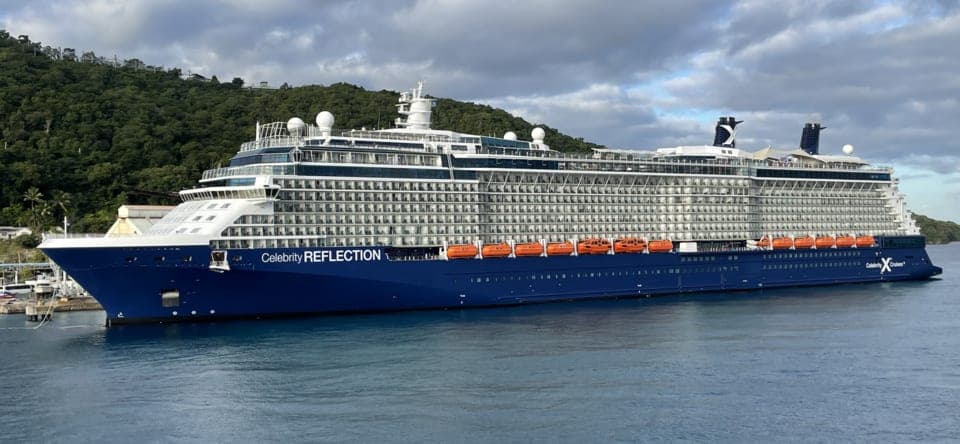
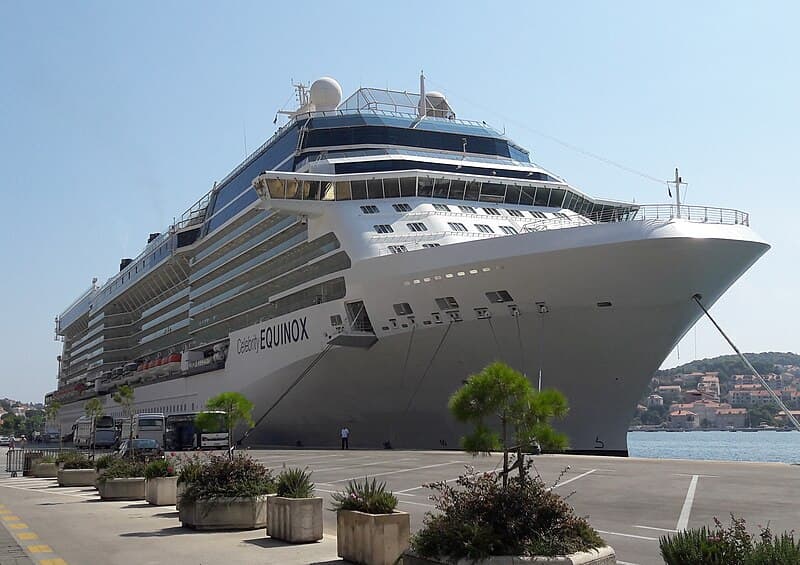
Celebrity has invested heavily in its culinary program, and it shows. The line occupies the sweet spot between mainstream and luxury pricing with food quality that punches well above its fare level.
Standout venues:
Le Petit Chef: An interactive dining experience where animated characters are projected onto your plate, "preparing" each course before the real dish arrives. The food is excellent, and the spectacle is unlike anything else at sea. Cover charge: $75+
Luminae (suite guests only): The private restaurant for suite-class passengers features a changing menu from Celebrity's culinary team. One of the best complimentary restaurants afloat
Raw on 5: Sushi and raw bar with fresh, high-quality seafood
Fine Cut Steakhouse: Premium steaks in an upscale setting
Eden Restaurant: A multi-sensory dining experience with creative presentations
Who it's for: Passengers who want near-luxury dining quality at a premium (not ultra-luxury) price. Celebrity's food quality has improved dramatically with their Edge-class ships.
Silversea Cruises. Intimate Luxury Dining
Silversea's small ships (300-600 passengers) enable a level of kitchen attention that large ships cannot replicate.
Standout venues:
La Terrazza: Italian cuisine that transports you to a seaside trattoria
The Arts Cafe: Light meals and afternoon tea in an elegant setting
S.A.L.T. (Sea and Land Taste): A culinary program that connects shipboard dining to the local cuisine of each port, with cooking classes and market tours
All dining is complimentary
Tier 3: Good Dining (Mainstream Lines)
Royal Caribbean International
Royal Caribbean has improved its food significantly, especially on newer ships. The complimentary main dining room is reliable, and the specialty restaurant lineup is extensive.
Best specialty restaurants:
Wonderland: Imaginative, experimental dining with playful presentations. Cover charge: $55-65
Chops Grille: Consistently excellent steakhouse. Cover charge: $55-65
150 Central Park (Oasis-class): Fine dining with seasonal menus. Cover charge: $75+
Izumi: Japanese cuisine, sushi, and hibachi. A la carte pricing
Complimentary food quality: The main dining room and Windjammer buffet are solid but not exceptional. The gap between complimentary and specialty dining on Royal Caribbean is significant. The specialty restaurants are where the culinary investment goes.
Norwegian Cruise Line
Norwegian's Freestyle Dining means flexible schedules across multiple complimentary restaurants, plus a range of specialty options.
Best specialty restaurants:
Ocean Blue: Seafood-focused fine dining. Cover charge: $45-55
Le Bistro: French cuisine that's been a Norwegian staple for years. Cover charge: $40-50
Food Republic (newer ships): Interactive, food-hall-style dining with global small plates. A la carte pricing
Cagney's Steakhouse: Reliable steakhouse. Cover charge: $40-50
Complimentary food quality: Adequate. Norwegian's complimentary dining has improved but remains a step below Celebrity and significantly below the luxury lines.
Carnival Cruise Line
Carnival has surprised the food world with some excellent specialty dining additions, particularly through their partnership with celebrity chef Emeril Lagasse and the Guy Fieri brand.
Best specialty restaurants:
Emeril's Bistro 1396 (Excel-class): Cajun-Creole cuisine from the Emeril Lagasse team. Genuinely good food, not just a celebrity name. Cover charge: $45-55
Guy's Burger Joint: Complimentary and legitimately one of the best burgers at sea
Bonsai Sushi: Solid Japanese cuisine at reasonable a la carte prices
Fahrenheit 555 Steakhouse: Good steakhouse with premium cuts. Cover charge: $42-55
Complimentary food quality: Carnival's complimentary dining is the most improved in the mainstream category. The main dining room menus have been upgraded, and the Lido buffet on newer ships is a significant step up from the older fleet.
Best Specialty Restaurants Across All Lines
Restaurant | Cruise Line | Cuisine | Cover Charge | Rating |
|---|---|---|---|---|
Jacques | Oceania | French Bistro | Complimentary | Outstanding |
Manfredi's | Viking | Italian | Complimentary | Outstanding |
Le Petit Chef | Celebrity | Interactive Fine Dining | $75+ | Outstanding (experience) |
150 Central Park | Royal Caribbean | Contemporary Fine Dining | $75+ | Excellent |
Compass Rose | Regent | International Fine Dining | Complimentary | Excellent |
Wonderland | Royal Caribbean | Experimental | $55-65 | Excellent (experience) |
Emeril's Bistro 1396 | Carnival | Cajun-Creole | $45-55 | Very Good |
Ocean Blue | Norwegian | Seafood | $45-55 | Very Good |
Chops Grille | Royal Caribbean | Steakhouse | $55-65 | Very Good |
Le Bistro | Norwegian | French | $40-50 | Good |
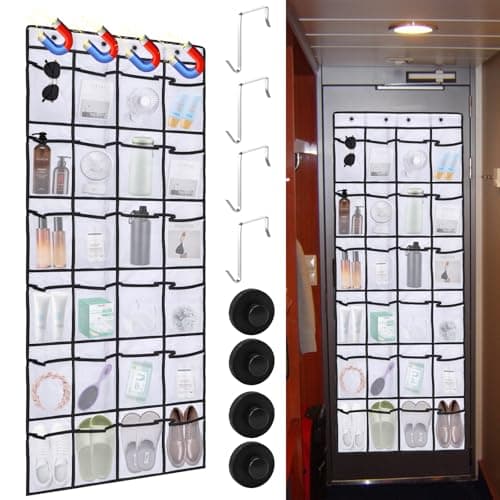
Cruise Door Organizer 24 Pockets Magnetic
- 24 clear pockets attach magnetically to the metal cabin door
- Holds sunscreen, lanyards, snacks, and small items
The single most recommended cruise hack, turns your cabin door into instant storage
View on Amazon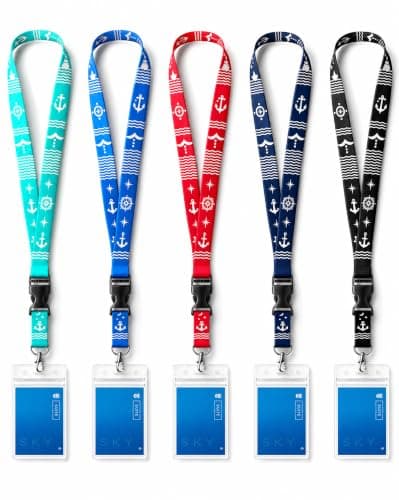
5-Pack Cruise Lanyards Waterproof
- Waterproof holders protect your cruise card at the pool and on excursions
- Five lanyards for the whole family
Your cruise card is your key, wallet, and ID, a waterproof lanyard keeps it safe and accessible
View on AmazonFood Festivals and Cooking Classes at Sea
Cooking Classes
Several cruise lines offer hands-on cooking classes where passengers learn from the ship's culinary team.
Holland America Line: Culinary Arts Center Holland America has the most established cooking program at sea, with a dedicated demonstration kitchen and hands-on workshops. Classes cover everything from knife skills to regional cuisine preparation. Some classes are complimentary; advanced workshops have a fee ($29-49).
Silversea: S.A.L.T. Program S.A.L.T. (Sea and Land Taste) integrates culinary education into the itinerary. Market visits in port, cooking classes onboard using ingredients bought at local markets, and dining menus that reflect the region. This is the most immersive culinary education program at sea.
Viking: Onboard Cooking Experiences Viking offers cooking demonstrations in their kitchen-classroom space. Classes focus on regional cuisine matching the itinerary. Pasta-making in the Mediterranean, Nordic baking in Scandinavia. Most are complimentary.
Celebrity: Chef-Led Demonstrations Celebrity runs cooking demonstrations in partnership with their culinary team. The classes are part of the overall enrichment program and are complimentary.
Food and Wine Festivals
Some cruise lines organize multi-day food and wine events on specific sailings:
Holland America's Food & Wine Cruises: Themed sailings with guest chefs, wine tastings, and special menus
Oceania's Culinary Discovery Tours: Port excursions focused on local food markets, wineries, and cooking classes
Viking's Kitchen Table Experience: Small-group dining experiences with the ship's executive chef
Local Cuisine at Ports of Call
One of the great advantages of cruising is tasting food from multiple countries or regions on a single trip. Here's how to make the most of it.
Best Port Cities for Food
Mediterranean:
Barcelona: La Boqueria market, tapas bars, paella at beachfront restaurants
Naples/Amalfi Coast: Pizza Napoletana (the original), fresh seafood, limoncello
Dubrovnik: Fresh Adriatic seafood, Croatian wine, structure cheese
Santorini: Fresh Greek salads, grilled octopus, local wine from volcanic soil
Caribbean:
San Juan, Puerto Rico: Mofongo, lechon, local rum
Cozumel/Costa Maya: Authentic Mexican street food (tacos al pastor, ceviche)
Nassau/Bahamas: Conch fritters, fried snapper, Kalik beer
Barbados: Flying fish, cou-cou, rum punch
Alaska:
Juneau: Fresh king crab, smoked salmon, local craft breweries
Ketchikan: Salmon (five species), halibut fish and chips
Skagway: Sourdough bread, game meat, frontier-style dining
Tips for Eating in Port
Walk past the first row of restaurants near the cruise terminal. They're tourist traps with cruise-ship pricing
Ask crew members where they eat in port. They know the best local spots
Visit local markets. Barcelona's La Boqueria, Bergen's fish market, Santorini's village produce stands
Try one local specialty per port. You don't need a full meal, just a taste of the destination
Eat lunch in port, dinner on the ship. Lunch is cheaper in port, and your cruise fare covers dinner onboard
Food Allergies and Dietary Accommodations
Cruise lines have become significantly better at handling dietary restrictions. Here is what each level of accommodation looks like.
Common Allergies (Gluten, Dairy, Nuts, Shellfish)
Main dining room: Menus typically mark common allergens. Your waiter can consult the chef for ingredient-level detail. With 24-hour advance notice, the kitchen can prepare allergen-free versions of most dishes
Buffet: Higher cross-contamination risk. Allergen labeling is improving but inconsistent. Staff at cooking stations can tell you ingredients
Specialty restaurants: Accommodate allergies when informed at reservation time
Celiac Disease / Strict Gluten-Free
Cruise lines can provide dedicated gluten-free bread, pasta, and desserts in the main dining room with advance notice. The buffet is riskier due to shared serving utensils and adjacent dishes containing gluten. Celebrity, Royal Caribbean, and Disney are generally the most responsive to celiac needs.
Vegetarian and Vegan
Every main dining room has vegetarian options nightly. Vegan options are increasingly available, with Celebrity, Oceania, and Viking leading the way. Plant-based milk alternatives (oat, almond, soy) are available on most lines. The buffet salad bar is the reliable vegan-friendly option on every ship.
Kosher and Halal
Available on most major lines with advance request (30-60 days before sailing). Kosher meals are typically pre-packaged and heated onboard. Halal options are more limited. MSC, as a line with strong Middle Eastern and Southeast Asian clientele, has the most developed halal program.
Complimentary vs. Paid Dining: What You Get for Free
What's Included in Your Cruise Fare (Every Major Line)
Main dining room: Multi-course dinner with appetizer, soup/salad, entree, and dessert. Rotating menus nightly. This is a proper restaurant experience with table service
Buffet: Open for breakfast, lunch, and dinner. Quality varies by line
Room service: Available on most lines (some charge a small delivery fee of $3-8 per order, especially during late-night hours)
Casual dining: Pizza station, burger grill, taco bar, deli, soft-serve ice cream. These vary by line but are typically complimentary
24-hour food options: Most ships have at least one 24-hour food venue
What Costs Extra
Specialty restaurants: $25-150+ per person cover charge
Premium coffee (espresso, lattes): $3-7 per drink on most lines (complimentary on Viking, Oceania, and luxury lines)
Premium ice cream (gelato, Ben & Jerry's): $3-8 per serving
Juice bars and smoothies: $5-10 per drink
Chef's Table and exclusive dining events: $100-250+ per person
Cost Comparison by Line (7-Night Cruise, Per Person Dining Extras)
Cruise Line | Free Dining Quality | Specialty Surcharge Range | Typical Extra Dining Spend |
|---|---|---|---|
Oceania | Excellent | All included | $0 |
Viking | Excellent | Most included | $0-50 |
Regent | Excellent | All included | $0 |
Celebrity | Very Good | $35-85 per venue | $100-250 |
Royal Caribbean | Good | $40-75 per venue | $100-300 |
Norwegian | Good | $30-55 per venue | $100-300 |
Carnival | Good | $35-55 per venue | $75-200 |
MSC | Good | $25-50 per venue | $75-200 |
Hidden Gems: Underrated Dining Spots
Not every great meal on a cruise ship is at a specialty restaurant. Here are the underrated spots.
Room service breakfast (most lines): A quiet breakfast on your balcony. Fresh fruit, pastries, coffee, eggs, without the dining room crowds. One of the most pleasant meals on the entire cruise, and it's usually complimentary.
Late-night pizza (Carnival, Royal Caribbean): Fresh pizza at 1:00 AM after a night at the casino. It's not gourmet, but it's perfect.
The MDR lunch (formal dining room at lunch, sea days): Many passengers don't realize the main dining room is open for lunch on sea days. Sit-down service, a proper menu, and far fewer crowds than the buffet. One of the best-kept secrets on any cruise.
Guy's Burger Joint (Carnival): A complimentary burger spot that produces genuinely excellent burgers: hand-formed patties, fresh toppings, brioche buns. Better than most chain restaurants on land.
The Solarium Bistro (Royal Caribbean): Located in the adults-only Solarium area on Oasis and Icon-class ships, this buffet-style venue offers lighter, Mediterranean-inspired fare with less crowding than the main Windjammer buffet.
Food on cruise ships has never been better than it is in 2026. The lines that invest in culinary quality (Oceania, Viking, Celebrity, Regent) deliver dining experiences that justify booking a cruise for the food alone. Even mainstream lines have raised their game significantly. The key is knowing where to eat, what's worth paying extra for, and which complimentary options are just as good as the paid alternatives.
For more on managing cruise costs including dining expenses, see our cruise costs explained guide. And for packing tips including what to bring for dining, check our what to pack for a cruise guide.
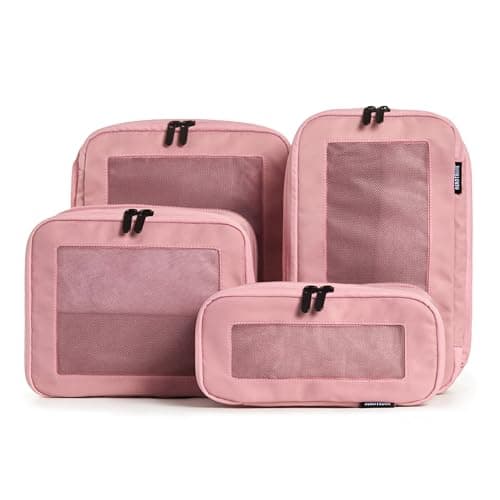
Aerotrunk Compression Packing Cubes 4-Pack
- Double-zipper compression cuts volume by up to 60%
- Four sizes cover every clothing type
Compression cubes are the single best way to fit a week of cruise outfits into a carry-on
View on Amazon