Founder & Cruise Expert
Avid cruise enthusiast who cruised so many times he decided to make it a career. Ian has sailed on over 30 cruise lines across 6 continents, from budget-friendly Carnival sailings to luxury Regent Seven Seas voyages. He built CruiseShipTracking to help fellow cruisers track ships, plan voyages, and find the best deals.
The best time for an Alaska cruise is late June through early August for the warmest weather, longest daylight, and best wildlife viewing. Book 6-9 months in advance, Alaska sailings sell out faster than Caribbean itineraries. The three ports that matter most are Juneau (whale watching, glaciers), Skagway (White Pass railway), and Glacier Bay or Hubbard Glacier (scenic cruising).
In This Article
We earn a commission when you book through our links at no extra cost to you. This does not affect prices. Learn more
Alaska is the cruise destination that surprises people most. You can describe the scenery. Glaciers calving into steel-gray water, humpback whales breaching, bald eagles on every shoreline, mountains that dwarf any cruise ship. But the reality still exceeds the description. Alaska is one of those rare travel experiences that delivers more than it promises.
Planning it well, however, takes more thought than a Caribbean sailing. The season is shorter, the logistics more complex, and the excursions that actually make the trip extraordinary require advance booking. Here's everything you need to know.
Ready to plan your Alaska sailing? Browse current Alaska cruises on Cruisebound →
Alaska Cruise Season: When to Go
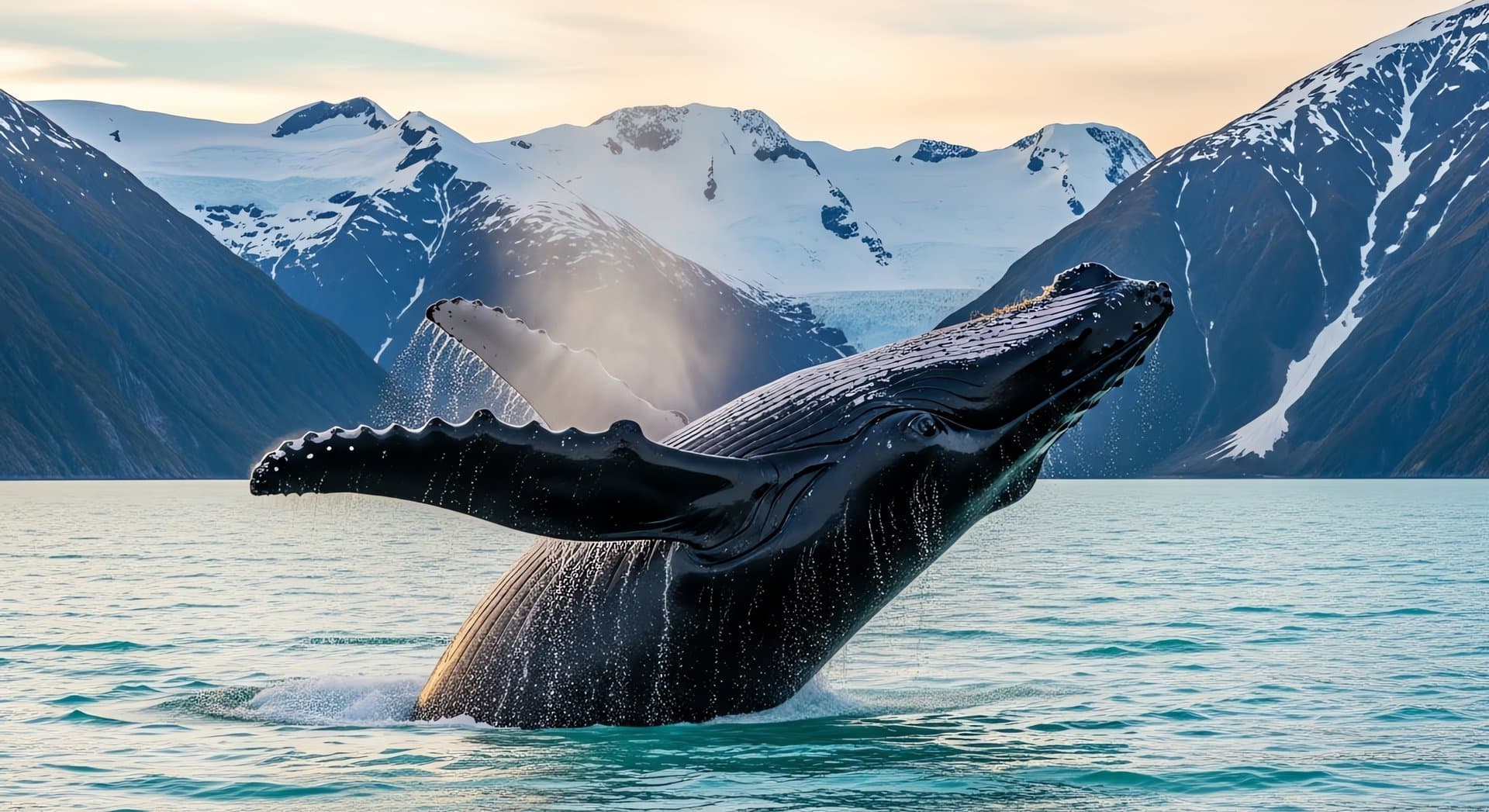
Alaska cruise season runs from early May through late September. Within that window, the experience varies considerably.
May (Early Season)
Pros: Lower prices (15-25% below peak), fewer crowds, calving glaciers at their most active, dramatic light conditions for photography. Cons: Unpredictable weather (snow still possible), shorter daylight than midsummer, some wildlife viewing less reliable, some shore-side operations not yet fully open. Best for: Budget-conscious travelers, photographers, experienced Alaskan travelers.
June–Early July (Peak Season: Wildlife)
Pros: Humpback whale activity peaks. Bears beginning to congregate near salmon streams. Long daylight hours (up to 18+ hours at solstice). Wildflowers. Temperatures mild. Cons: Peak pricing. Ships at maximum capacity. Best for: First-timers, whale watching enthusiasts, photographers.
Late July–August (Peak Season: Bears and Salmon)
Pros: Salmon runs bring bears to riverside streams in numbers. Anan Wildlife Observatory near Wrangell and Pack Creek on Admiralty Island are accessible. Humpbacks still present. Warmest temperatures of the season. Cons: Peak pricing, maximum crowds at popular sites. Best for: Wildlife photographers, bear-watching enthusiasts.
September (Late Season)
Pros: Prices drop significantly. Northern Lights visible. Crowds thin. Fall colors beginning. Cons: Shorter daylight hours. Some facilities closing. Weather more unpredictable. Fewer whale sightings. Best for: Retirees and flexible travelers, budget travelers, Northern Lights seekers.
Alaska Cruise Itinerary Types
Round-Trip Inside Passage (Most Common)
Departs and returns to Seattle or Vancouver, BC. Typically 7 nights, sometimes 10-14 for extended sailings.
Standard 7-night itinerary visits:
Juneau (Alaska's capital, excellent whale watching and glacier access)
Skagway (Gold Rush history, White Pass railway)
Ketchikan (totem poles, salmon, rainforest)
Victoria, BC (brief stop on the return, often overnight)
Glacier Bay National Park or Tracy Arm Fjord (scenic cruising)
This is the right starting point for first-time Alaska cruisers. Familiar logistics, great port variety, and the two most dramatic scenic cruising options.
One-Way Gulf of Alaska (Northbound or Southbound)
One sailing direction, Vancouver to Seward (or reverse). Typically 7 nights.
Additional ports and features:
College Fjord (multiple glaciers visible simultaneously)
Hubbard Glacier (the largest tidewater glacier in North America, spectacular calving)
Seward and Kenai Fjords (Dall's porpoise, orcas, puffins)
The catch: Requires one-way flights, making it more expensive overall. Seward is 2.5 hours from Anchorage (Kenai Peninsula shuttle or Alaska Railroad), and some cruisers extend their trip with pre- or post-cruise time in Anchorage or Denali.
Small Ship / Expedition Alaska
Companies like Lindblad Expeditions, Un-Cruise Adventures, and American Cruise Lines operate smaller vessels (50-200 passengers) that access areas the big ships cannot. Remote fjords, Misty Fjords National Monument, and off-the-grid wildlife viewing.
Cost: Significantly higher than mainstream lines ($500-1,200+ per person per day), but a categorically different experience.
Which Cruise Line for Alaska?
Cruise Line | Ships | Alaska Speciality | Price Level |
|---|---|---|---|
Majestic, Discovery, Caribbean Princess (AK season) | Glacier Bay exclusive access, Natural History program | Mid-range | |
Holland America | Westerdam, Koningsdam, Nieuw Amsterdam | Glacier Bay exclusive, longest Alaska history | Mid-range to premium |
Norwegian Cruise Line | Bliss, Encore, Joy | Newer ships, competitive pricing, freestyle dining | Mid-range |
Celebrity Cruises | Solstice, Eclipse, Summit | Modern ships, premium service, good naturalist programs | Premium |
Royal Caribbean | Ovation of the Seas, Radiance | Largest ships in Alaska, most onboard amenities | Mid-range |
Carnival | Luminosa, Miracle | Entry-level pricing, shorter itineraries | Budget |
For Glacier Bay access: Only Princess Cruises and Holland America have concession rights to spend extended time in Glacier Bay National Park. Tracy Arm Fjord is the alternative scenic cruising destination used by other lines. Also spectacular, but less protected from weather.
The Essential Alaska Ports
Juneau
Alaska's capital is accessible only by sea or air. There are no roads connecting it to the rest of Alaska. This geographic isolation has preserved its character. Downtown Juneau is small and walkable, but the excursion options extend far beyond the town.
Must-do excursions:
Whale watching: Juneau has some of North America's most reliable humpback sightings. Multiple boats depart within 10 minutes of the pier. Book independently from operators on the dock or in advance online. $120-180 per person.
Mendenhall Glacier: 13 miles from town (taxi $30 each way or $15/person shared). The glacier has retreated significantly in recent decades, but it remains dramatic and accessible. Guided hikes on the glacier available. Entry free; guided hike $40-80 per person.
Tracy Arm Fjord: Full-day boat journey to twin tidewater glaciers. The best available experience if your ship doesn't enter Glacier Bay. $130-180 per person.
Mount Roberts Tramway: 5 minutes from the pier. A gondola to alpine meadows with views over the Gastineau Channel. $34 round trip; eagle viewing station at the top.
Helicopter glacier landing: The luxury option. Fly over the ice field, land on the Juneau Icefield, and walk on ancient ice. $350-550 per person. If budget allows, do it.
Ketchikan
The "Salmon Capital of the World" and the rainiest city in Alaska (160+ inches per year). The rain is part of the experience. Old-growth Tongass National Forest drips with moisture, and the salmon runs that sustain the ecosystem are directly visible.
Must-do excursions:
Saxman Native Village: 3km south of town. The world's largest collection of standing totem poles, a working carvers' workshop, and a clan house with cultural performances. $25-45 per person.
Misty Fjords seaplane: Float plane over Misty Fjords National Monument. Volcanic plugs, 3,000-foot granite walls, and waterfalls. $250-380 per person. Extraordinary.
Rainforest hiking: Several operators offer guided old-growth forest walks. $40-70 per person.
Salmon charter fishing: Half-day salmon or halibut fishing with gear provided. $150-250 per person. Book ahead. Charters fill quickly.
Skagway
A 2,000-person town that looks almost exactly as it did during the 1898 Gold Rush. The National Park Service maintains much of the downtown as a historic district, and the main street feels genuinely like a frontier town. Minus the mud.
Must-do excursions:
White Pass & Yukon Route Railway: The headline experience of any Skagway visit. A narrow-gauge railway climbs through dramatic mountain scenery to the 2,900-foot White Pass Summit. The same pass Gold Rush stampeders climbed with 1,000-pound loads. $135-200 per person. Book well in advance. This sells out.
Klondike hiking: Guided hikes on trails from the Gold Rush era. $50-100 per person.
Chilkoot Pass overnight: For experienced hikers, a multi-day hike on the historic Chilkoot Trail. Not compatible with a single port day; requires planning around the cruise.
Glacier Bay National Park
This is what Alaska cruise passengers come for. Glacier Bay is a 65-mile-long fjord system carved by receding glaciers over the past 250 years. Within that brief geological moment, the bay has transformed from a solid ice field to an ecosystem teeming with humpback whales, harbor seals, Steller sea lions, mountain goats, and brown bears.
The ship spends 6-8 hours cruising deeper into the bay, with park rangers on board providing commentary. No tendering. You watch from the deck or from your balcony as the glaciers come into view.
What to expect:
Margerie Glacier (one of the bay's most active tidewater glaciers) in the morning, with regular calving events
Grand Pacific Glacier shortly after
Wildlife along the shore: humpbacks, porpoise, sea otters, mountain goats visible from the ship
Cold reality: Deck temperatures during Glacier Bay can be 38-50°F with wind. Dress in full layers.
Tracy Arm Fjord
The alternative scenic cruising destination for ships that don't enter Glacier Bay. Tracy Arm is a 45-mile-long fjord ending at the twin Sawyer Glaciers. The narrow walls, icebergs floating in the channel, and abundant wildlife (including waterfalls from hundreds of feet above) make for a dramatic day at sea.
The fjord is navigable by most large cruise ships, though ice conditions occasionally require ships to turn earlier than planned.
Booking Your Alaska Cruise
How Far in Advance?
Alaska sailings sell faster than Caribbean itineraries. The best cabins, particularly balconies, which are genuinely essential in Alaska, disappear 9-12 months out for peak season.
General booking timeline:
Luxury suites and prime balconies: 9-12 months out
Standard balconies: 6-9 months out
Inside cabins: 3-6 months out (last-minute deals sometimes appear, but risk poor cabin placement)
Balcony vs. Inside Cabin
Alaska is the one itinerary where a balcony genuinely transforms the experience. You can lie in bed and watch glaciers calve in Glacier Bay from a private outdoor space. You can watch whales surface from your chair over coffee. Inside cabins in Alaska feel like being denied the main event.
If your budget is limited, book the cheapest balcony on the lowest deck before booking an inside cabin on any deck.
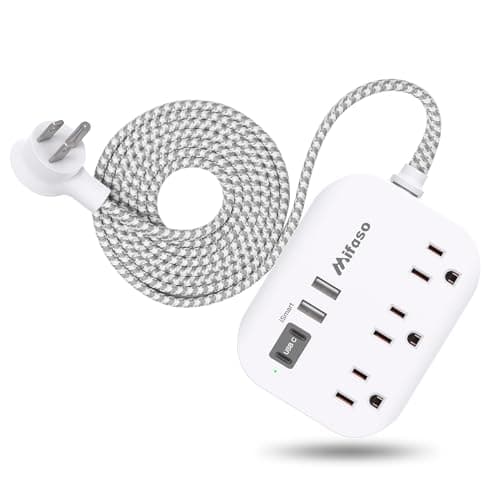
Mifaso Cruise-Approved Power Strip
- Cruise-approved (no surge protector) with multiple USB ports
- Compact design fits perfectly on the narrow cabin nightstand
Cruise cabins have limited outlets, this solves the charging problem without tripping ship safety rules
View on AmazonAlaska Cruise Add-Ons
Most Alaska cruisers extend their trip with:
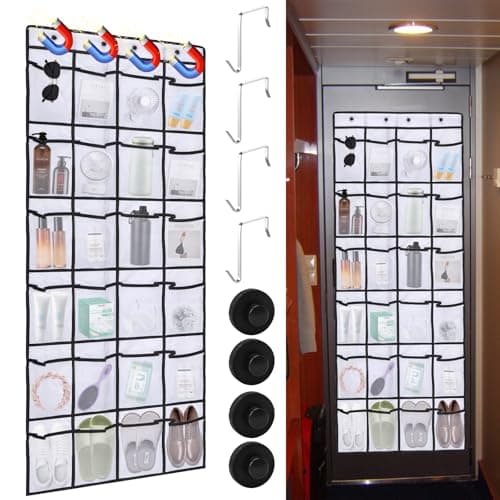
Cruise Door Organizer 24 Pockets Magnetic
- 24 clear pockets attach magnetically to the metal cabin door
- Holds sunscreen, lanyards, snacks, and small items
The single most recommended cruise hack, turns your cabin door into instant storage
View on Amazon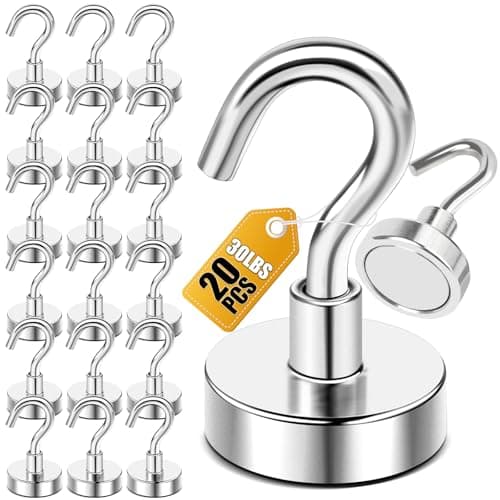
DIYMAG Magnetic Hooks 6-Pack
- Super-strong neodymium magnets stick to cabin walls and ceilings
- Hang hats, bags, towels, and lanyards anywhere
Cruise cabin walls are steel, magnetic hooks turn every surface into storage
View on Amazon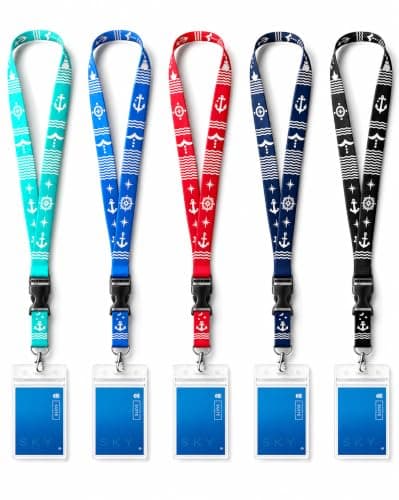
5-Pack Cruise Lanyards Waterproof
- Waterproof holders protect your cruise card at the pool and on excursions
- Five lanyards for the whole family
Your cruise card is your key, wallet, and ID, a waterproof lanyard keeps it safe and accessible
View on AmazonDenali National Park: 2-3 days by Alaska Railroad from Seward or Anchorage. The Alaska Railroad's Coastal Classic and Denali Star routes are scenic journeys in their own right
Anchorage: 1-2 nights before or after a Gulf of Alaska cruise. Good food, excellent outdoor recreation nearby
Kenai Fjords boat tour: From Seward, day trips into Kenai Fjords National Park for puffins, orcas, and glacier viewing
What to Pack for Alaska
Alaska's weather is unpredictable and genuinely cold at glacier viewpoints. This packing list applies to July. Adjust for shoulder season.
Essential clothing:
Waterproof outer jacket and pants (shell or rain gear; breathable fabric preferred)
Thermal base layer (top and bottom)
Fleece or heavy wool mid-layer
Waterproof hiking boots or ankle-height trail shoes
Wool socks (bring more than you think you need)
Warm hat that covers ears
Lightweight gloves
Sunglasses with UV protection
Accessories:
Binoculars: Essential for wildlife viewing from the ship. 8x42 or 10x42 recommended
Camera with telephoto lens if you're a serious photographer
Sunscreen (UV exposure is intense at northern latitudes)
Insect repellent (black flies and mosquitoes inland in summer)
Reusable water bottle
For formal nights: Most Alaska cruises maintain the same dress code as other sailings. Check your specific ship's policy.
Alaska Cruise Budget Guide
Item | Budget Option | Mid-Range | Splurge |
|---|---|---|---|
7-night cruise fare (inside vs. balcony) | $699-899 pp inside | $1,100-1,600 pp balcony | $2,500+ pp suite |
Juneau whale watching | DIY dock operator $100 | Booked tour $140 | Private charter $350+ |
Glacier helicopter | Skip | , | $400-550 pp |
White Pass Railway | $135 pp | $155 pp | First class car |
Tracy Arm Fjord | Ship excursion $140 | Independent boat $120 | Skip (ship does Glacier Bay) |
Meals and extras | $30-50/day | $60-80/day | $100+/day |
Total trip cost estimate: $2,500-4,500 per person all-in for a solid Alaska cruise experience.
Finding Your Alaska Cruise
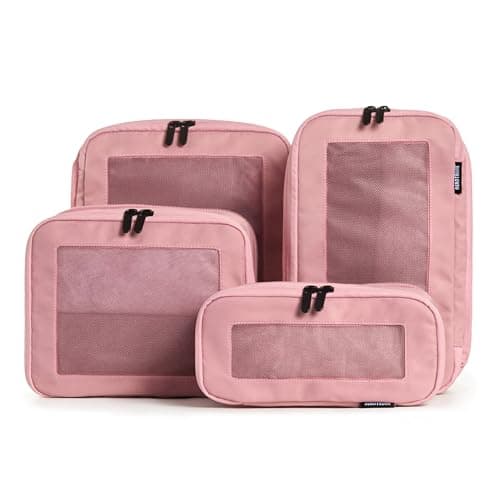
Aerotrunk Compression Packing Cubes 4-Pack
- Double-zipper compression cuts volume by up to 60%
- Four sizes cover every clothing type
Compression cubes are the single best way to fit a week of cruise outfits into a carry-on
View on AmazonUse our ship search filtered to Alaska to browse vessels by size, cruise line, and itinerary type. Compare cruise lines to evaluate what each line includes in their Alaska packages.
If you're a first-timer, a 7-night Inside Passage sailing with Princess or Holland America is the strongest starting point, both lines have earned their Alaska reputations over decades and their naturalist programs add genuine value.
For those who want a different kind of Alaska experience (less onboard entertainment, more wildlife immersion), look at the small-ship operators or our expedition cruise section.