Ship comparison
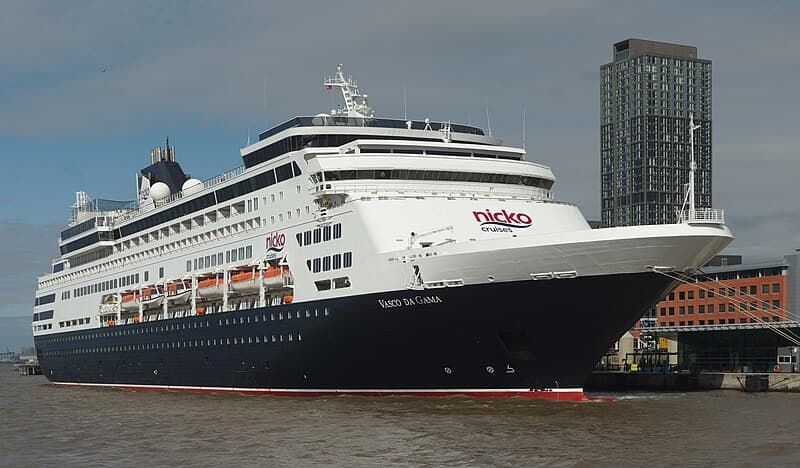
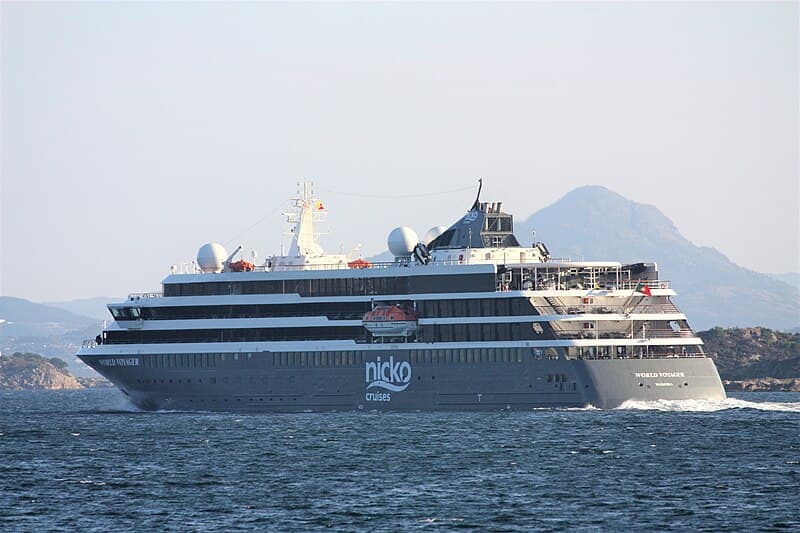
Vasco da Gama vs World Voyager
Side-by-side cruise ship comparison. Vasco da Gama wins 4 of 7 scored categories.
At a glance
Quick Compare
The verdict
Comparison Verdict
Vasco da Gama is the significantly larger vessel at 55,877 GT, 501% more than World Voyager's 9,300 GT. World Voyager offers more personal space with a space ratio of 46.5 GT per passenger versus 39.9. Built in 2020, World Voyager is 27 years newer, an advantage for travelers seeking modern amenities and design.
| Category | Winner |
|---|---|
| Size | Vasco da Gama |
| Capacity | Vasco da Gama |
| Modernity | World Voyager |
| Service | World Voyager |
| Spaciousness | World Voyager |
| Decks | No data |
| Length | Vasco da Gama |
| Fleet Power | Vasco da Gama |
Bottom line: Vasco da Gama leads 4–3 across our categories, strongest in Size. Choose Vasco da Gama for overall superiority; pick World Voyager if its strengths matter more to you.
Decide
Which Ship Is Right for You?
Choose Vasco da Gama if
- Size matters to you (55,877 GT)
- More onboard variety (1,400 guests)
Choose World Voyager if
- You want the newer ship (built 2020, 27 years newer)
- More crew per guest (1.7 guests per crew)
- More space per guest (46.5 GT per guest)
Prices
See Current Prices
We may earn a commission from partner bookings at no extra cost to you.
Go deeper
Deep Dive
FAQ
Frequently Asked Questions
How is the comparison score calculated?
We score 8 categories from spec data: size, capacity, modernity, service, spaciousness, decks, length and fleet power. Each category awards one point to the winning ship. A category where either ship has no data is marked No data and left out of the score.
What is the space ratio and why does it matter?
Space ratio is gross tonnage divided by passenger capacity. A higher number means more space per guest. Luxury lines typically score above 40, and mass-market ships often fall between 30 and 40.
What does the passenger-to-crew ratio mean?
It is the number of guests for each crew member, shown as "3.0 guests per crew". Lower is better: more staff per guest usually means more attentive service. Luxury lines aim for fewer than 2 guests per crew, and large mainstream ships often carry 3 to 4.
Are the prices shown accurate?
Prices come from Cruisebound and are per person for the sailing shown. They change with cabin type, date and demand, so open the sailing to see the current fare.
Can I compare more than two ships?
Yes, up to four ships. Use the search tool on the compare hub page to add additional ships.
How current is the ship data?
Specifications come from our database of 380+ ships, and this page refreshes daily. An "Updated" date appears at the top when either ship's record changed in the last 30 days.