Oceania and Viking Ocean both target the same grown-up cruiser: no kids, no waterslides, small to mid-size ships, and a strong destination focus. Oceania leans harder into cuisine as its main identity. Viking leans on consistent Scandinavian design and included excursions across every sailing. Pick Oceania if food is the priority. Pick Viking if you want predictable inclusions and a no-children policy built into the brand itself.
Ships and fleet
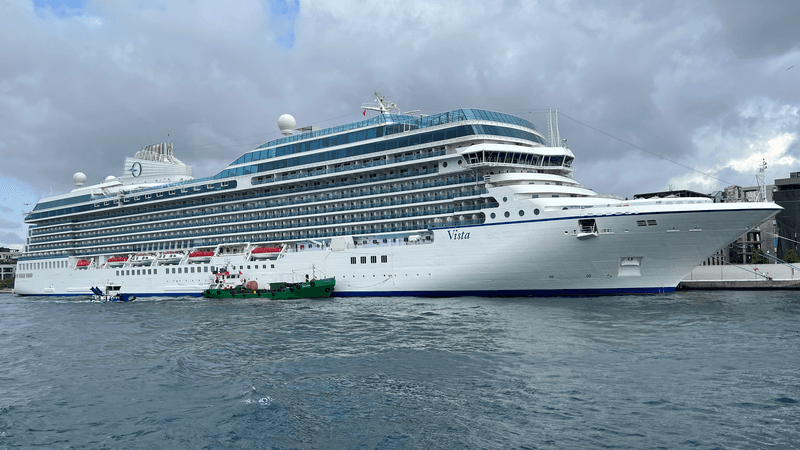
Oceania operates a small fleet of mid-size ships, generally older in average age than Viking's, built around intimate spaces rather than headline-grabbing features. The line markets itself heavily around its dining program and destination-immersive itineraries rather than ship size or onboard attractions.
Viking Ocean is a newer entrant with a young, consistent fleet built to a single design template: all-veranda staterooms, Scandinavian minimalist interiors, and a near-identical layout across every ship in the fleet. That consistency means booking any Viking Ocean ship gets you a very predictable experience, which is part of the brand's appeal to repeat cruisers.
Dining
Oceania markets its food heavily, with a culinary center offering hands-on cooking classes on several ships and a main dining room plus specialty restaurants developed with a stronger culinary emphasis than most competitors at this price point. Reviewers consistently rank Oceania's food among the strongest in the premium and near-luxury category.
Viking's dining is solid and well-regarded but not positioned as the headline feature the way Oceania's is. Included dining spans a main restaurant and a few specialty venues, with the brand's overall value proposition resting more on what's bundled into the fare than on culinary spectacle specifically.
Cabins
Oceania's cabins run from smaller staterooms up through owner's suites, with the fleet's older average age meaning cabin sizes and layouts vary more from ship to ship than a brand-new fleet would.
Viking's defining cabin feature is that every stateroom includes a veranda, there are no interior or oceanview-only cabins in the standard fleet. This simplifies the booking decision considerably compared to lines with a dozen cabin tiers to compare.
Itineraries and destinations
Oceania's itineraries skew heavily toward the Mediterranean, Caribbean, and Asia, with a particular emphasis on port-dense routes that maximize time ashore between destinations. Viking Ocean itineraries lean into similar regions but add a stronger emphasis on river-to-ocean combination trips and less common destinations, reflecting the brand's broader river cruising heritage. Both lines favor longer itineraries than mainstream cruising, with ten- to fourteen-night sailings common on each, though Viking's world cruise offerings have grown quickly since the brand's ocean expansion. Travelers chasing a specific destination should compare each line's exact itinerary list rather than assuming similar port coverage, since the two brands do not always overlap on the same routes in a given season.
Booking timing and pricing details
Both lines reward early booking, often a year or more ahead for their most popular itineraries, since smaller ship sizes on both brands mean fewer cabins overall compared to mainstream megaships. Viking's included-excursion model can make its base fare look higher at first glance, so comparing all-in cost, including excursions and drinks, against Oceania's a la carte extras gives a more accurate price comparison. Oceania runs frequent promotional fares bundling airfare or onboard credit, worth watching for travelers with flexible sailing dates rather than a fixed destination in mind. Shoulder-season sailings on either line typically undercut peak summer Mediterranean pricing by a meaningful margin.
What to pack for either line
Neither line leans toward the casual, waterslide-and-t-shirt culture of mainstream cruising, so slightly nicer evening wear is worth packing for both, even without Cunard-level formal night requirements. Oceania's culinary focus means a few dressier outfits for specialty dining are worth having, particularly for evenings at the ship's signature restaurants. Viking's all-veranda cabins and destination-focused itineraries call for comfortable walking shoes more than swimwear, given how much of each day is spent on included shore excursions rather than at the pool. Both lines skew toward an older demographic, so travelers should expect a quieter, more understated onboard culture reflected in typical passenger dress and behavior.
First-timer mistakes choosing between them
Travelers sometimes choose Oceania expecting Viking's all-inclusive excursion model, then are surprised by extra charges for shore tours that would have been bundled into a comparable Viking fare. Others book Viking expecting more onboard variety, only to find the brand's consistent, single-template fleet design means less ship-to-ship differentiation than Oceania's slightly more varied fleet offers. Bringing children on either line is a common first-timer mistake given Viking's strict adults-only policy and Oceania's overwhelmingly older-skewing demographic and programming. Comparing the two lines purely on headline fare price, without accounting for what each fare actually includes, is one of the most common budgeting errors travelers make between them.
Onboard atmosphere and entertainment
Both lines favor a quieter, more subdued onboard atmosphere than mainstream cruising, with enrichment lectures, small-scale entertainment, and a general absence of the high-energy programming found on family megaships. Oceania leans into its culinary identity even in its entertainment programming, with cooking demonstrations and wine-focused events supplementing more traditional evening shows. Viking's enrichment programming often ties directly to destinations on the itinerary, with onboard lectures previewing upcoming ports rather than standalone entertainment. Neither line is the right choice for travelers seeking a lively casino floor or late-night nightlife, since both brands are built around a calmer, earlier-to-bed onboard culture.
Solo travelers on Oceania versus Viking
Viking Ocean does not currently offer a dedicated studio or solo cabin category on the scale that some mainstream lines do, so solo travelers typically face a single supplement similar to Oceania's approach. Oceania's smaller ship sizes can make solo travel feel more social in shared spaces like the culinary center, where communal cooking classes naturally encourage interaction among passengers traveling alone. Both lines skew toward an older, more experienced cruiser demographic, which some solo travelers find more comfortable than a younger, more couple-and-family-focused mainstream ship. Checking each specific sailing for solo-friendly pricing promotions is worth doing, since both lines occasionally reduce or waive the single supplement on select departures.
Loyalty programs and repeat cruisers
Oceania's loyalty program rewards repeat cruisers with tiered benefits tied to cumulative nights sailed, a structure common across premium and luxury lines that rewards long-term brand loyalty. Viking's loyalty structure functions similarly, with repeat Viking Ocean and Viking River cruisers earning combined recognition across both branches of the company, a distinctive cross-brand benefit not matched by Oceania. Both programs offer modest onboard credit and occasional fare discounts at higher tiers, though neither approaches the scale of perks offered by larger mainstream cruise line loyalty programs. Frequent cruisers deciding between the two brands sometimes let existing loyalty status with one line tip the decision, given how much repeat business both brands rely on to fill increasingly long itineraries.
Who it suits
Oceania suits food-focused travelers and destination-immersive cruisers who want a strong culinary program layered onto a classic small-ship itinerary. Viking suits travelers who want simplicity, predictable inclusions, and a guaranteed adults-only, veranda-cabin experience on every sailing.
Who should skip it
Skip Oceania if ship age and slightly dated design bother you, some vessels in the fleet are noticeably older than newer premium competitors. Skip Viking if you want more ship-to-ship variety, since its consistent design template means less differentiation between sailings.
Price and value
Oceania fares sit in the premium tier, with the culinary program and destination focus positioned as justification for pricing above mainstream lines. Specialty dining and excursions can still cost extra depending on the sailing.
Viking builds more into its base fare than most competitors at a similar price point, including at least one shore excursion per port on most itineraries, which simplifies budgeting even if the headline fare looks higher than a bare mainstream cruise fare.
Common questions
Do either of these lines allow children?
Viking Ocean is adults-only, with a minimum age requirement on every sailing. Oceania does not have a strict age policy but skews heavily toward older travelers and rarely markets to families.
Which line has better included excursions?
Viking includes at least one shore excursion per port in its base fare on most itineraries, which Oceania generally does not match at the same level.
Which line is better for foodies specifically?
Oceania, by reputation and by design. Its culinary program and hands-on cooking classes are a core part of the brand identity in a way Viking's dining program is not.
Both lines are strong, quiet, destination-first choices for cruisers without kids in tow. Compare current pricing on current cruise deals, then compare sailings and prices across both brands for overlapping itineraries. Once booked, track any cruise ship live to follow your ship's progress. For a closer look at either line, read our Oceania Cruises review or Viking Ocean Cruises review.