
Founder & Cruise Expert
Avid cruise enthusiast who cruised so many times he decided to make it a career. Ian has sailed on over 30 cruise lines across 6 continents, from budget-friendly Carnival sailings to luxury Regent Seven Seas voyages. He built CruiseShipTracking to help fellow cruisers track ships, plan voyages, and find the best deals.
Most major cruise lines require babies to be at least 6 months old for standard itineraries and 12 months old for transatlantic, transpacific, or remote itineraries. Royal Caribbean, Disney, and Norwegian all offer nursery or babysitting programs for infants starting at 6 months. Pack formula, baby food, diapers, and a portable crib (or request one from the cruise line) since ships have limited baby supplies available for purchase. The best cruise lines for babies and toddlers are Royal Caribbean (Royal Babies and Tots program, 6-36 months) and Disney (It's a Small World Nursery, 6 months-3 years).
In This Article
We earn a commission when you book through our links at no extra cost to you. This does not affect prices. Learn more
Taking a baby on a cruise sounds either brave or crazy, depending on who you ask. The skeptics picture a screaming infant in a tiny cabin during rough seas. The optimists picture sunset dinners while the baby sleeps in the stroller.
The reality is somewhere in between. And with the right preparation, it leans heavily toward the optimists' version. Cruise ships are surprisingly baby-friendly environments. Your cabin is steps away from food, entertainment, and medical care. You unpack once and wake up in a new destination every morning. There are no car seat installations, no hotel check-ins, no navigating unfamiliar grocery stores for diapers at midnight.
But there are real challenges too. Here is everything you need to know.
Ready to book a cruise? Browse 12,000+ live cruise deals on Cruisebound. Filter by destination, length, cabin type, and departure port to see today's pricing before you keep reading.
Minimum Age Requirements by Cruise Line
Not all cruise lines let babies aboard at any age. Here are the current policies.
Standard Itineraries (Caribbean, Mediterranean, Alaska)
Cruise Line | Minimum Age |
|---|---|
Royal Caribbean | 6 months |
Carnival | 6 months |
Norwegian | 6 months |
MSC | 6 months |
Disney | 6 months |
Celebrity | 6 months |
Princess | 6 months |
Holland America | 6 months |
Viking | 18 years (no children) |
18 years (no children) |
Remote/Long-Haul Itineraries (Transatlantic, Hawaii, South Pacific)
For itineraries with 3 or more consecutive sea days or routes far from adequate medical facilities, the minimum age increases to 12 months on most lines. This includes:
Transatlantic crossings
Transpacific crossings
Hawaii itineraries
South Pacific itineraries
Repositioning cruises with extended sea days
Why the age restriction exists: Ships are limited in their pediatric medical capabilities. A 6-month-old with a high fever on a transatlantic crossing is 3+ days from the nearest hospital. The 12-month requirement for remote itineraries reflects this medical reality.
The age is measured on embarkation day. If your baby turns 6 months old two days after sailing, they don't qualify. Cruise lines enforce this strictly.
What to Pack for Baby on a Cruise
Cruise ships have limited baby supplies, and what they do stock is expensive. Bring everything you need.
Essential Packing List
Feeding:
Formula (pre-measured portions for the entire trip plus 3 extra days)
Bottles and nipples (enough for a full day without washing, so you're not washing bottles at 2 AM)
Bottle brush and dish soap
Baby food pouches and jars (enough for the full trip)
Bibs (at least 5-7)
Sippy cups for toddlers
Portable high chair that clips to a table (optional but useful for cabin meals)
Snacks (puffs, teething biscuits, Cheerios)
Sleeping:
Travel crib or pack-n-play (or request one from the cruise line at booking)
Fitted crib sheets (ship-provided cribs may not include them)
Sleep sack or swaddle blanket
White noise machine or app (cabins can be noisy with hallway foot traffic)
Blackout curtains or clips (balcony cabins let in a lot of light at dawn)
Diapering:
Diapers (pack your full trip supply. Do not rely on purchasing onboard)
Wipes (same. Bring your entire supply)
Diaper cream
Disposable changing pads
Plastic bags for dirty diapers (cabin trash cans are small)
Swim diapers (required for ship pools that allow babies)
Health and Safety:
Infant Tylenol and infant ibuprofen (age-appropriate)
Thermometer
Gas drops, teething gel
Sunscreen (SPF 50+, reef-safe for port visits)
Baby-safe insect repellent (for port excursions in tropical destinations)
First-aid supplies (band-aids, antiseptic)
Copies of baby's medical records and pediatrician's phone number
Gear:
Lightweight umbrella stroller (not a full-size travel system)
Baby carrier or wrap (far more practical than a stroller on the ship and in ports with cobblestone streets)
Baby monitor (the ship cabin won't have one)
Outlet covers (bring 6-8 for baby-proofing)
Corner guards (optional, for coffee table edges in suites)
Entertainment:
A few favorite toys (not the entire toy box)
Board books
Teethers
Tablet with downloaded shows for desperate moments
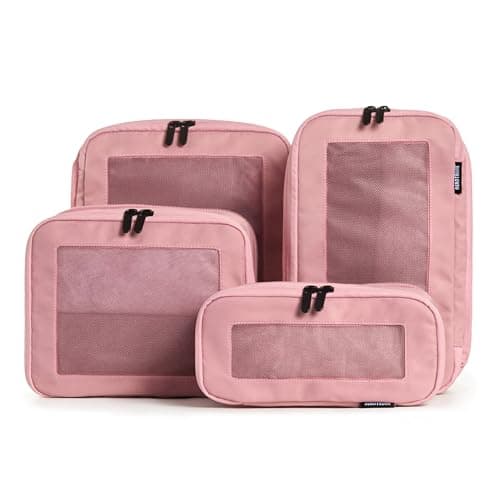
Aerotrunk Compression Packing Cubes 4-Pack
- Double-zipper compression cuts volume by up to 60%
- Four sizes cover every clothing type
Compression cubes are the single best way to fit a week of cruise outfits into a carry-on
View on AmazonNursery Programs and Babysitting
Royal Caribbean: Royal Babies and Tots Nursery
The best nursery program at sea for the youngest cruisers.
Ages: 6-36 months
Cost: Approximately $6-8 per hour per child
Hours: Daytime and evening sessions (varies by ship, typically 9 AM-10 PM or later)
Capacity: Limited. Sessions book up quickly
What they do: Supervised play, music time, sensory activities, gentle learning
Meals: Not provided. Feed your child before drop-off
Booking tip: Reserve nursery sessions online before your cruise (available 60-90 days before sailing for loyalty members, 30 days for others). Onboard reservations fill up within hours of embarkation.
Disney Cruise Line: It's a Small World Nursery
Disney's nursery is beautifully themed and staffed with trained counselors.
Ages: 6 months to 3 years
Cost: Approximately $6-9 per hour per child (half-hour minimum)
Hours: Typically 9 AM-11 PM
Capacity: Small groups, limited spots
What they do: Themed play, storytelling, Disney character interactions, supervised activities
Meals: Light snacks provided; meals are not
Norwegian Cruise Line: Guppies Program
Norwegian offers a parent-and-child play session rather than a true drop-off nursery for the youngest.
Ages: 6 months to 2 years (parent must stay)
Cost: Complimentary
Drop-off babysitting: Available for ages 2+ through Late Night Fun Zone ($7.50 per hour per child, typically 10:30 PM-1:30 AM)
Carnival Cruise Line: Camp Ocean Night Owls
Ages: Night Owls babysitting for ages 6 months to 11 years (10 PM-1 AM)
Cost: $7.50 per hour per child
Daytime: No nursery for under 2. Camp Ocean starts at age 2
In-Cabin Babysitting
True private in-cabin babysitting is rare on mainstream cruise lines. Disney offers it through a partnership with a third-party service. Some luxury lines (Crystal, Regent) may arrange it on request. On mainstream lines, your options are the ship's nursery program or taking turns with your partner.
Baby-Proofing the Cabin
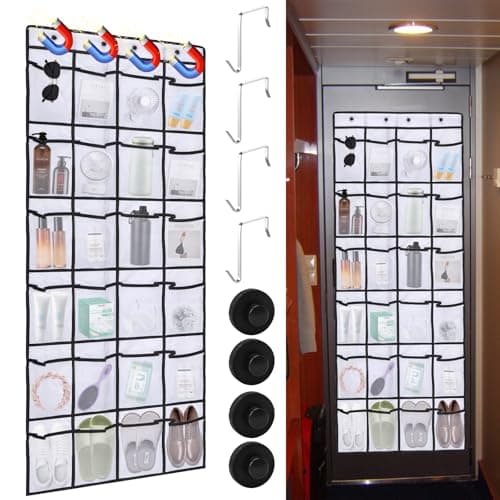
Cruise Door Organizer 24 Pockets Magnetic
- 24 clear pockets attach magnetically to the metal cabin door
- Holds sunscreen, lanyards, snacks, and small items
The single most recommended cruise hack, turns your cabin door into instant storage
View on Amazon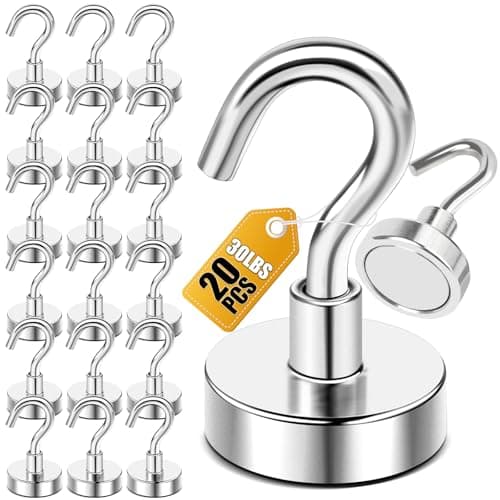
DIYMAG Magnetic Hooks 6-Pack
- Super-strong neodymium magnets stick to cabin walls and ceilings
- Hang hats, bags, towels, and lanyards anywhere
Cruise cabin walls are steel, magnetic hooks turn every surface into storage
View on AmazonCruise ship cabins are not designed with babies in mind. A standard cabin is 160-185 square feet, roughly the size of a large bathroom, with hard surfaces, sharp corners, and accessible electrical outlets.
Essential Baby-Proofing Steps
Outlet covers: Bring stick-on outlet covers and apply them to every accessible outlet as soon as you board. Cabins typically have 4-6 outlets.
Coffee table and furniture corners: If your cabin has a coffee table (suites and some balcony cabins), apply adhesive corner guards. A crawling baby and a sharp-edged table are a bad combination in a rocking ship.
Balcony door: If you have a balcony cabin, the sliding glass door is your primary safety concern. The balcony railing has wide enough gaps on some ships for a small child to slip through. Never leave a baby or toddler unsupervised on a balcony. Consider a portable door alarm (battery-operated, sticks to the door frame) that alerts you if the door is opened.
Bathroom: Cruise ship bathrooms have hard tile or composite floors that become slippery when wet. Place a non-slip bath mat in the shower/tub area. Keep all toiletries on high shelves.
Minibar contents: Remove any glass bottles, alcohol miniatures, or small items from the minibar. Request that the minibar not be restocked during your cruise.
Closet and drawer latches: If your baby is a drawer-opener, bring adhesive cabinet locks. These are lightweight, cheap, and prevent pinched fingers.
Bed rails: If your toddler sleeps in the cabin bed rather than a crib, request bed rails from your cabin steward. Most ships have them available.
Stroller Tips
Strollers are allowed on cruise ships, but they can be cumbersome in the narrow corridors, tight cabin spaces, and crowded elevators.
Best Stroller Type for a Cruise
A compact umbrella stroller is the best option. Full-size travel systems are too bulky for ship corridors and cabin doorways. A stroller that folds flat enough to store under the bed or in the closet is ideal.
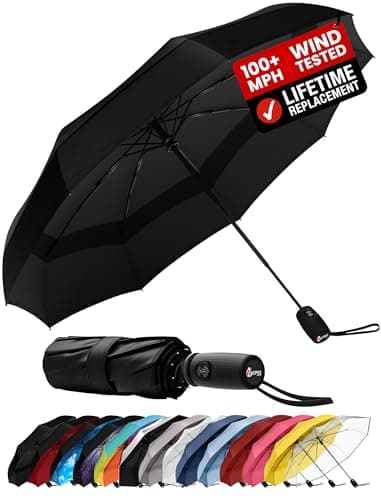
REPEL Windproof Travel Umbrella
- Teflon-coated canopy repels water
- Windproof construction survives gusts up to 60mph
Tropical downpours are sudden and intense, a windproof umbrella keeps you dry on port excursions
View on AmazonWhere You'll Use It
On the ship: The pool deck, promenade deck, and terminal during embarkation/disembarkation. Inside the ship, a baby carrier is usually more practical.
In port: Essential for walking tours, shopping areas, and beach access paths. Be aware that many Mediterranean and Caribbean port towns have cobblestone streets and stairs. A lightweight stroller with good wheels handles this better than a heavy jogger.
Stroller Storage
There is no designated stroller parking on most ships. Fold it and store it in your cabin. Some ships allow folded strollers to be left in the hallway next to your cabin door, but this varies by line and is not guaranteed.
Tender Ports
At tender ports (where you take a small boat from the ship to shore), strollers must be folded and carried onto the tender. This is manageable with an umbrella stroller but extremely awkward with a full-size system. A baby carrier is the better option for tender port days.
Feeding and Dining
Formula and Bottles
Bring pre-measured formula packets (like Similac On-the-Go). Measuring powder in a rocking cabin at 3 AM is not fun
Request warm water from any bar or the dining room to prepare bottles. Staff are helpful about this
Cabin refrigerators (mini-fridges) can store prepared bottles and opened baby food. Request one if your cabin category doesn't include one
Bottle washing: Use the bathroom sink with your own dish soap and bottle brush. Some parents bring a microwave sterilizer bag. The buffet area sometimes has a microwave you can use
Baby Food
Dining room options: Most main dining rooms can prepare plain, soft foods for babies and toddlers. Steamed vegetables, plain pasta, mashed potatoes, fruit. Ask your waiter on the first night.
Buffet options: The buffet has plenty of baby-appropriate foods: bananas, steamed rice, plain bread, fruit, yogurt, scrambled eggs. Self-service makes it easy to find something your baby will eat.
Bring your own baby food for the specific brands and types you know your baby accepts. Trying new foods on a cruise ship, when you're days from a grocery store, is risky.
High chairs are available in the main dining room and buffet. They may not be the same brand or style your baby is used to at home. Bringing a portable clip-on high chair gives you flexibility for cabin meals.
Breastfeeding
Breastfeeding is welcome in all public areas on every major cruise line. If you prefer privacy, your cabin is steps away from any location on the ship. Some ships have family restrooms or lounges with comfortable seating that work well for nursing.
Best Cruise Lines for Babies and Toddlers
1. Royal Caribbean. Best Overall
Royal Caribbean earns the top spot for its Royal Babies and Tots nursery program, the widest range of baby-friendly amenities, and the sheer size of its ships (more space to walk a fussy baby at 2 AM). The Oasis and Icon-class ships have the most complete baby and toddler facilities.
Highlights:
Royal Babies and Tots Nursery (6-36 months)
Splashaway Bay water play areas (some areas have toddler sections)
Cribs available on request
Baby-friendly dining options
Large ships provide smooth, stable rides (less fussy baby)
2. Disney Cruise Line. Best Nursery Experience
Disney's It's a Small World Nursery is the most beautifully designed and well-staffed baby care facility at sea. The family-focused atmosphere of the entire ship means you never feel out of place with a baby.
Highlights:
It's a Small World Nursery (6 months-3 years)
Character meet-and-greets designed for young children
Baby-friendly entertainment (princess storytimes, gentle deck parties)
Family staterooms designed with children in mind
Castaway Cay (Disney's private island) has a family beach with shallow water and shade
3. Carnival Cruise Line. Best Budget Option
Carnival's newer ships offer solid baby-friendly facilities at the lowest price point among major cruise lines. The line's family-oriented culture means staff are accustomed to working with young families.
Highlights:
Camp Ocean Night Owls babysitting (6 months+)
Camp Ocean daytime programs starting at age 2
Waterworks splash parks (toddler areas on newer ships)
Budget-friendly fares that make the additional costs of traveling with a baby more manageable
4. MSC Cruises. Best Value for Families
MSC frequently offers kids-sail-free promotions that extend to babies and toddlers. The line's newer ships have well-designed family areas.
Highlights:
Babies and toddlers often sail free
Dedicated baby areas on newer ships
Family cabin configurations with connecting rooms
Baby Club for ages 1-3 (on select ships, with parent supervision)
Shore Excursions with Little Ones
Best Excursion Types for Babies and Toddlers
Beach days: Low-key, baby-friendly (bring shade, sunscreen, and swim diapers)
City walking tours with a carrier: Keep baby in a carrier, enjoy the sights at your own pace
Scenic drives: Bus-based tours let baby nap in your arms while you see the destination
Private excursions: Book a private driver/guide for maximum flexibility, you set the pace, and you can return to the ship early if baby melts down
Excursions to Avoid
Anything with a minimum age requirement: Check the description carefully
Zip-lining, ATV tours, jet ski rentals: Obviously not baby-friendly
Long hikes: Carrying a baby in a carrier up a mountain in 90-degree heat is miserable
Extended snorkeling or diving trips: Not practical with an infant
The Independent Port Day
Sometimes the best port day with a baby is no excursion at all. Walk off the ship, stroll the port town, find a waterfront cafe, let the baby play, and head back to the ship for nap time. Low-key port days reduce stress and let everyone enjoy the destination at a baby's pace.
Practical Tips from Parents Who've Done It
Embrace the cabin nap. Your baby's nap schedule will govern your day. Use nap time productively, one parent stays in the cabin (reading, relaxing on the balcony) while the other explores the ship or hits the pool. Trade off for the afternoon nap.
Pack a baby monitor. Cruise cabins don't come with them. A portable video monitor lets you sit on the balcony or in the hallway (if your cabin has good hallway signal) while baby sleeps inside.
Night routine stays the same. Maintain your baby's bedtime routine as closely as possible. Bath, pajamas, bottle, and bed, the familiarity helps them sleep in the new environment.
Ship elevators are slow. With a stroller and baby gear, you'll use elevators constantly. They're crowded and slow, especially at mealtimes. Build in extra time for everything.
The promenade deck is your friend at 3 AM. When the baby won't sleep and the cabin is too small for pacing, the outdoor promenade deck (Deck 5 on most ships) is open 24 hours. The fresh air and gentle rocking often calm a fussy baby. You won't be the only parent out there.
Lower your expectations. You will not do every activity, eat at every restaurant, or see every port at its best. A cruise with a baby is about spending time together in a beautiful setting with food and childcare steps away. That's still a very good vacation.
Book the nursery early. If your ship has a nursery, reserve sessions the moment they become available online. Popular evening sessions sell out in minutes on embarkation day. Having a guaranteed 3-hour nursery block in the evening lets you enjoy a dinner date, and that alone is worth the cruise fare.
Cruising with a baby or toddler takes more planning and more luggage than a couples' cruise, but the payoff is real. You get a vacation where food, entertainment, childcare, and medical facilities are all within a 5-minute walk. You visit multiple destinations without packing and unpacking at different hotels. And you create family memories in a setting that's genuinely enjoyable for everyone: including the 9-month-old who doesn't know what a cruise is but loves the swimming pool, the endless supply of bananas, and the very patient cabin steward who makes a towel animal every night.
For more family cruise planning, see our multigenerational cruise guide and our what to pack for a cruise guide.