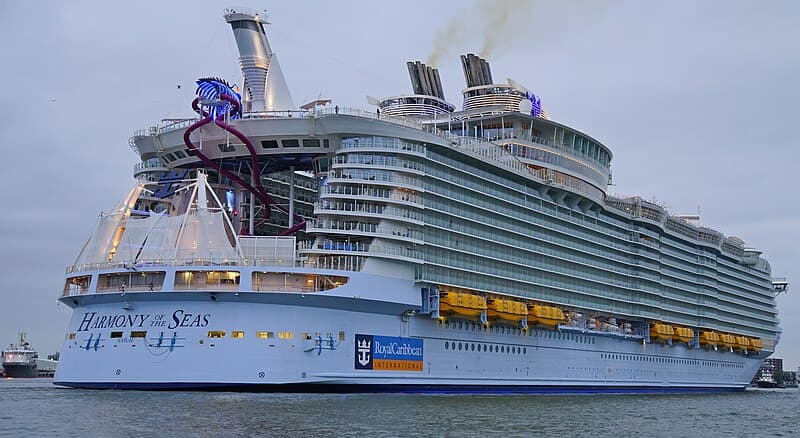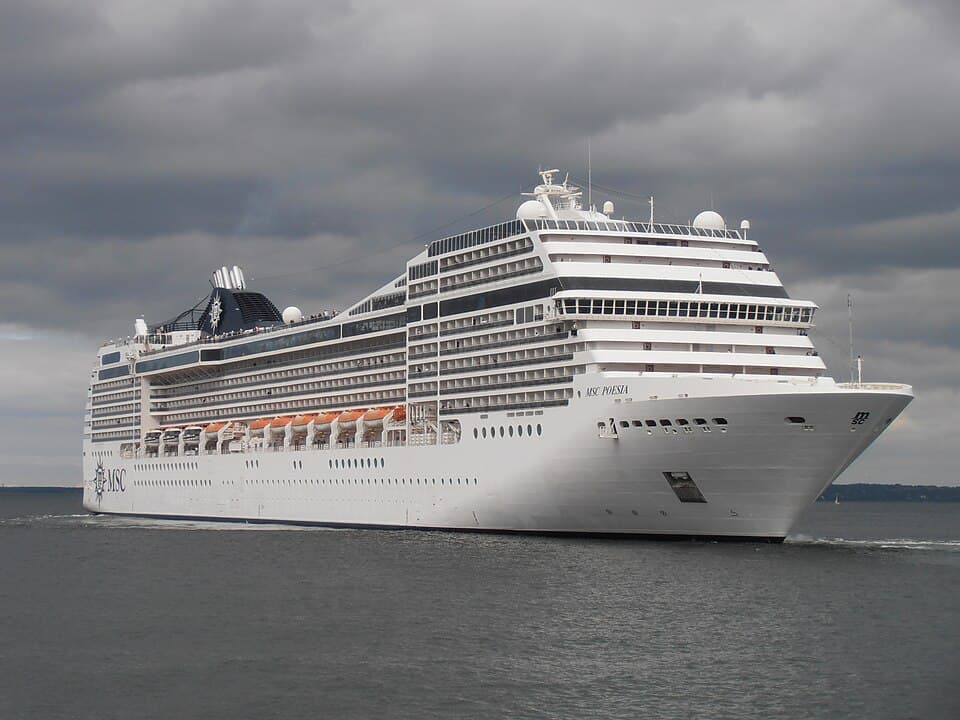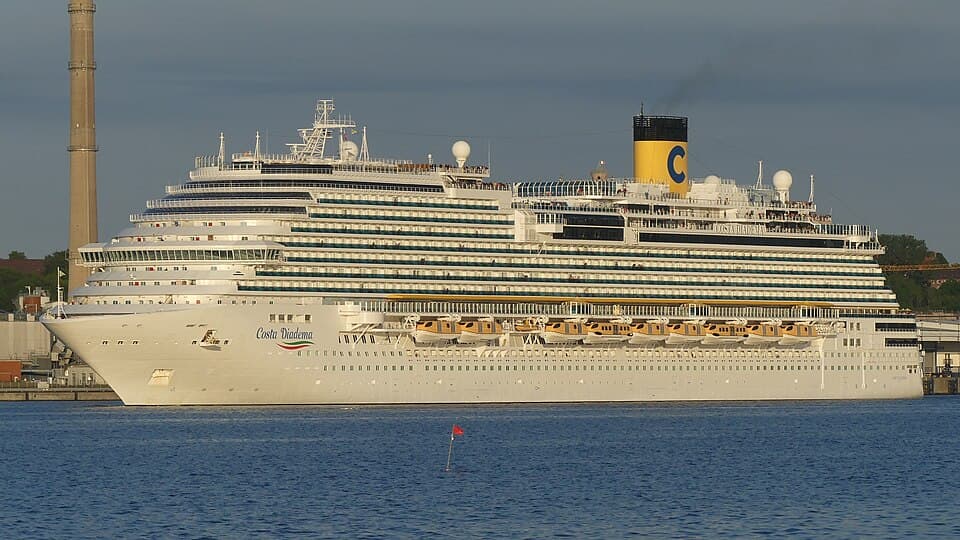

The number on the cruise line's website is not what you will pay. It never is.
That $599/person fare covers your cabin, main dining room meals, the buffet, pool access, and basic entertainment (shows, movies, trivia). Everything else. Drinks, gratuities, WiFi, shore excursions, specialty dining, spa treatments, professional photos, the casino, and laundry. Is extra. On most cruise lines, these extras add 50-150% to your base fare.
This guide breaks down every hidden cost with actual 2026 pricing, explains which extras are worth it, and provides a realistic budget template so there are no surprises when you open your onboard account statement at the end of the cruise.

DIYMAG Magnetic Hooks 6-Pack
- Super-strong neodymium magnets stick to cabin walls and ceilings
- Hang hats, bags, towels, and lanyards anywhere
Cruise cabin walls are steel, magnetic hooks turn every surface into storage
View on AmazonReady to book a cruise? Browse 12,000+ live cruise deals on Cruisebound. Filter by destination, length, cabin type, and departure port to see today's pricing before you keep reading.
1. Gratuities / Service Charges

Gratuities are automatically added to your onboard account daily. This is not optional in any practical sense. It's the primary compensation mechanism for the crew members who clean your cabin, serve your food, and work behind the scenes.
Current Daily Rates (Per Person, Per Day)
Cruise Line | Standard Cabin | Suite | Notes |
|---|---|---|---|
Royal Caribbean | $18.00 | $20.50 | Increased in 2024 |
Carnival | $16.00 | $18.00 | |
Norwegian | $20.00 | $25.00 | Highest in the industry |
Celebrity | $18.00 | $23.00 | Included in Always Included fares |
Princess | $16.00 | $18.00 | |
Holland America | $16.00 | $17.50 | |
MSC | $14.00 | $16.00 | Lower than U.S.-based lines |
Disney | $14.50 | $14.50 | Same rate for all cabins |
7-Night Total Per Person
At $18/day: $126 per person, $252 per couple. This is charged regardless of whether you use the dining room, room service, or barely leave your cabin.
Can You Remove Gratuities?
Technically, you can visit Guest Services and request a reduction or removal. The cruise line will process it. But consider: your cabin steward, dining waiters, assistant waiters, and headwaiters split this pool. These crew members work 10-14 hour days, seven days a week, for 6-9 month contracts, and auto-gratuities represent a significant portion of their income. Unless you received genuinely poor service, adjusting gratuities downward is not recommended.
Additional Tipping
Beyond auto-gratuities, you may want to tip:
Bartenders: 18-20% is automatically added to drink charges (included in drink package pricing)
Room service: $3-5 per delivery (not included in auto-gratuities on most lines)
Specialty dining servers: 18% gratuity added automatically on most lines
Spa therapists: 18-20% added automatically to spa charges
Porters at the cruise terminal: $2-3 per bag
2. Drinks (Alcoholic and Non-Alcoholic)
Drinks are the single largest extra expense for most cruise passengers.
Individual Drink Pricing
Drink | Typical Price |
|---|---|
Draft beer | $7-9 |
Craft/premium beer | $9-12 |
House wine (glass) | $9-12 |
Premium wine (glass) | $12-20 |
Cocktail (standard) | $12-15 |
Premium cocktail | $15-18 |
Specialty coffee (latte, cappuccino) | $5-7 |
Fresh-squeezed juice | $4-6 |
Bottled water | $3-5 |
Soda | $3-4 |
Energy drink | $5-6 |
What's free: Coffee (drip), tea, lemonade, iced tea, water from dispensers, juice at the buffet (from concentrate).
Drink Package Options
Package Type | Daily Rate (Per Person) | 7-Night Total | Covers |
|---|---|---|---|
Alcoholic/Deluxe | $55-80 | $385-560 | All alcoholic drinks up to $12-15/glass, plus all non-alcoholic beverages, specialty coffee, bottled water |
Non-Alcoholic/Refreshment | $20-30 | $140-210 | Specialty coffee, sodas, smoothies, bottled water, juices |
Soda package | $10-13 | $70-91 | Unlimited fountain sodas |
Is the Drink Package Worth It?
The math is straightforward. If the Deluxe Beverage Package costs $70/day and individual drinks average $13:
Break-even: 5.4 drinks per day
Worth it if: You drink 6+ alcoholic beverages daily, every day, for the entire cruise
Not worth it if: You drink 1-3 drinks per day, skip drinking on port days, or prefer water and coffee
Important: Most cruise lines require both passengers in a cabin to purchase the same drink package. If one of you drinks heavily and the other barely drinks, the package economics get worse. You can't buy one package for a two-person cabin.
Money-Saving Strategies
Bring your own wine. Most cruise lines allow 1-2 bottles of wine per person at embarkation. Corkage fees if opened in the dining room are $15-25/bottle. Still cheaper than buying wine onboard.
Drink at happy hour. Some bars offer drink specials during specific hours.
Order water from the dining room. Free filtered water in the dining room eliminates the need to buy bottled water.
Use the coffee station. Free drip coffee is available 24/7. If you can live without espresso, skip the $6 lattes.
3. WiFi
Cruise ship WiFi is satellite-based, shared among thousands of passengers, and priced accordingly.
Pricing by Cruise Line (2026)
Cruise Line | Basic Plan (per day) | Premium/Streaming (per day) | 7-Night Basic Total |
|---|---|---|---|
Royal Caribbean (Starlink) | $15-20 | $20-25 | $105-140 |
Carnival | $13-17 | $20-25 | $91-119 |
Norwegian | $15-20 | $25-30 | $105-140 |
Celebrity | Included (Always Included) | $15-20 upgrade | $0-140 |
Princess (MedallionNet) | $10-15 | $15-20 | $70-105 |
MSC | $10-15 | $18-25 | $70-105 |
Disney | $12-15 | $20-25 | $84-105 |
What You Actually Get

Cruise Door Organizer 24 Pockets Magnetic
- 24 clear pockets attach magnetically to the metal cabin door
- Holds sunscreen, lanyards, snacks, and small items
The single most recommended cruise hack, turns your cabin door into instant storage
View on AmazonBasic plans support email, messaging apps, social media browsing, and basic web browsing. Video calls, streaming (Netflix, Spotify), and large downloads will not work reliably.

5-Pack Cruise Lanyards Waterproof
- Waterproof holders protect your cruise card at the pool and on excursions
- Five lanyards for the whole family
Your cruise card is your key, wallet, and ID, a waterproof lanyard keeps it safe and accessible
View on AmazonPremium/streaming plans support video streaming and video calls, though quality varies by ship occupancy, location (mid-ocean is slower than near shore), and weather.
Starlink: Royal Caribbean, Norwegian, and several other lines have installed SpaceX Starlink satellite systems, which represent a significant improvement over traditional maritime satellite internet. Speeds of 50-100+ Mbps are possible, compared to 5-15 Mbps on older systems. However, bandwidth is still shared among thousands of users.
Money-Saving Strategies
Use port WiFi. Many cruise terminals, cafes, and restaurants in port cities offer free WiFi. Download maps and content before returning to the ship.
Buy a multi-day package rather than daily access. The per-day rate drops significantly.
Use messaging apps (WhatsApp, iMessage) rather than phone calls. Most cruise lines offer a separate, cheaper messaging-only package ($5-8/day).
Disconnect intentionally. A cruise is a vacation. Consider whether you actually need to be online every day.
4. Shore Excursions
Shore excursions are the second-largest extra cost after drinks for most cruisers.
Pricing by Activity Type
Excursion Type | Price Range (Per Person) | Example |
|---|---|---|
Walking/city tour | $40-75 | Old San Juan walking tour |
Beach break | $40-70 | Beach club day pass in Cozumel |
Snorkeling/water sports | $60-120 | Snorkeling in Grand Cayman |
Cultural/museum tour | $60-130 | Pompeii guided tour from Naples |
Adventure activity | $100-200 | Zip lining in Roatan |
Private boat/catamaran | $150-300 | Private catamaran in St. Thomas |
Helicopter/flightseeing | $200-500+ | Helicopter over Alaska glaciers |
Through the Cruise Line vs. Independent
Cruise line excursions:
Higher prices (30-100% markup over local operators)
The ship guarantees they will wait if the excursion runs late
Medical liability coverage
English-speaking guides guaranteed
Convenient booking through the app
Independent excursions:
Significantly cheaper (book through Viator, GetYourGuide, or local operators at the port)
The ship will NOT wait. If you're late, the ship leaves
You assume all risk for transportation, quality, and safety
Requires more research and planning
Budget Strategy
If your cruise visits 4 ports:
Budget option: $0 (explore ports independently on foot). Many ports are walkable from the cruise terminal
Moderate option: $300-600/person (one excursion per port at $75-150 each)
Splurge option: $600-1,200/person (premium excursions at every port)

Aerotrunk Compression Packing Cubes 4-Pack
- Double-zipper compression cuts volume by up to 60%
- Four sizes cover every clothing type
Compression cubes are the single best way to fit a week of cruise outfits into a carry-on
View on Amazon5. Specialty Dining
Main dining room meals and the buffet are included in your cruise fare. Specialty restaurants are not.
Typical Specialty Restaurant Pricing
Restaurant Type | Cover Charge (Per Person) | Example |
|---|---|---|
Steakhouse | $55-75 | Chops Grille (Royal Caribbean), Crown Grill (Princess) |
Italian | $30-45 | Sabatini's (Princess), Teppanyaki (Norwegian) |
Sushi/Japanese | $35-55 | Izumi (Royal Caribbean) |
French | $45-65 | Le Bistro (Norwegian) |
Chef's Table | $75-150 | Multi-course tasting menu with wine pairing |
Teppanyaki/hibachi | $35-50 | Norwegian, MSC |
Specialty Dining Packages
Most cruise lines offer dining packages that bundle 3-5 specialty meals at a discount:
3-meal package: $90-140/person (saves 15-25% vs. individual bookings)
5-meal package: $150-220/person
Unlimited dining package: $200-350/person for 7 nights (best value for foodies)
Is Specialty Dining Worth It?
The main dining room on most cruise lines is genuinely good. You won't go hungry or eat poorly if you never visit a specialty restaurant. However, specialty venues typically offer higher-quality ingredients, more creative preparation, and a quieter atmosphere. One or two specialty meals per cruise is a reasonable splurge. Every meal at a specialty restaurant is unnecessary unless you truly dislike the main dining room.
6. Spa Treatments
Cruise ship spas are operated by concessionaires (Steiner Leisure/OneSpaWorld runs spas on most major lines), and pricing reflects the captive-audience dynamic.
Common Treatment Prices
Treatment | Typical Price |
|---|---|
50-minute Swedish massage | $150-180 |
50-minute deep tissue massage | $170-200 |
50-minute facial | $140-180 |
Manicure | $50-70 |
Pedicure | $65-85 |
Thermal suite day pass | $40-60 |
Thermal suite cruise-long pass | $200-350 |
Teeth whitening | $200-350 |
Acupuncture session | $120-180 |
Spa prices on cruise ships are 30-60% higher than comparable treatments on land. A $100 massage at a day spa becomes $170 at sea.
How to Save at the Spa
Book on port days. Many spas offer 20-30% discounts when the ship is in port and fewer passengers are onboard.
Attend the "spa raffle" or "spa seminar." On embarkation day, many spas hold a free event offering discounted packages. The deals are real, though the sales pitch is aggressive.
Buy the thermal suite pass on Day 1. The per-day cost drops significantly over a 7-night cruise. The thermal suite (heated loungers, steam room, sauna, thalassotherapy pool) is genuinely relaxing and can replace individual treatments.
Skip the upsells. Spa therapists are trained to recommend add-ons (hot stones, aromatherapy upgrade, scalp treatment) during your session. These add $20-50 to the bill. Decide before your appointment what you want and stick to it.
7. Professional Photos
Cruise ships employ professional photographers who capture posed shots at formal nights, embarkation, ports of call, and around the ship. Prints and digital downloads are available for purchase.
Pricing
Package | Price |
|---|---|
Single 8x10 print | $20-30 |
Single digital download | $15-25 |
Digital photo package (all photos) | $150-300 |
USB drive with all photos | $200-350 |
Photo book | $100-200 |
Strategy
Unless you specifically want professional portraits, skip the ship photographer. Modern smartphone cameras produce excellent results, and most formal night photos end up in a drawer. If you do want professional shots, the all-digital package is the best value, individual prints add up quickly.
8. Casino
The casino is designed to take your money. That is its purpose. Here is what to expect:
Slot machines: Minimum bets from $0.01 to $5+ per spin. Cruise ship slot payouts are not regulated to the same standards as Las Vegas, the house edge is generally higher.
Table games: Blackjack minimums $10-25 per hand, roulette minimums $5-15, craps minimums $10-15
Poker: Tournaments ($50-200 buy-in) and cash games on larger ships
Bingo: $20-50 per session, with sessions held daily
Budget strategy: Set a hard casino budget before the cruise and stop when you hit it. Bring cash rather than using your cruise card, the room charge makes it too easy to lose track. Many cruise lines offer casino promotions (free play credits, match bonuses) for signing up or for loyalty members.
9. Laundry
Self-service laundry rooms: Available on Princess, Carnival, and Holland America (free washers/dryers, detergent vending $2-3). Not available on Royal Caribbean, Norwegian, Celebrity, Disney, or MSC.
Ship laundry service: $3-8 per item (shirts, pants, dresses). Dry cleaning available on most ships.
Laundry package: Some lines offer flat-rate laundry bags ($30-40 for a bag you can fill)
Ironing: Most cabins do NOT have irons (fire hazard regulations). Self-service laundry rooms on ships that have them include ironing boards.
Money-Saving Strategy
Pack wrinkle-resistant fabrics. Hang clothes in the bathroom during a hot shower to steam out wrinkles. If your ship has self-service laundry, use it mid-cruise to avoid packing excess clothing.
10. Other Charges You Might Not Expect
Room service: Free on most lines for continental breakfast. Hot breakfast and lunch/dinner delivery: $8-15 service charge on Royal Caribbean and Norwegian (free on Celebrity, Disney, some other lines)
Arcade/video games: $1-3 per game
Rock climbing, FlowRider, mini golf: Free on Royal Caribbean. Zip lines and specialty activities may have charges on other lines.
Fitness classes: Basic gym access is free. Yoga, Pilates, spinning, and personal training sessions: $15-40 per class
Art auctions: Free champagne, aggressive sales tactics. Do not buy art on a cruise ship unless you're an informed collector.
Duty-free shopping: Onboard shops sell liquor, jewelry, watches, and souvenirs at "duty-free" prices that may or may not be competitive with home prices. Compare before buying.
Medical center visits: $100-200 per consultation plus medication costs. Not covered by most health insurance.
Cancellation insurance/trip protection: $100-500 per person depending on fare and coverage level
Realistic Budget Template: 7-Night Caribbean Cruise for Two
Here is what a moderate-spending couple should realistically budget for a 7-night Caribbean cruise:
Category | Per Person | Per Couple | Notes |
|---|---|---|---|
Base cruise fare (balcony) | $1,200 | $2,400 | Advertised price |
Gratuities | $126 | $252 | $18/day auto-charge |
Drink package | $455 | $910 | $65/day Deluxe Beverage |
WiFi (basic, 1 device) | $120 | $120 | Share one device/plan |
Shore excursions (3 ports) | $300 | $600 | $100/person average |
Specialty dining (2 meals) | $100 | $200 | 1 steakhouse, 1 Italian |
Spa (1 treatment each) | $170 | $340 | 50-min massage |
Photos | $0 | $0 | Use your phone |
Casino | $100 | $200 | Set a budget |
Incidentals (souvenirs, arcade, etc.) | $75 | $150 | |
Total per person | $2,646 | ||
Total per couple | $5,172 |
The base cruise fare was $2,400 for the couple. The actual total is $5,172, 2.15 times the advertised price.
Budget Version (Minimal Extras)
Category | Per Couple | Strategy |
|---|---|---|
Base cruise fare (inside cabin) | $1,600 | Book inside cabin |
Gratuities | $252 | Cannot avoid |
Drinks (pay-as-you-go) | $200 | 2 drinks/day average |
WiFi | $0 | Use port WiFi |
Shore excursions | $0 | Walk ports independently |
Specialty dining | $0 | Main dining room only |
Spa | $0 | Skip or port-day deal |
Total per couple | $2,052 | 1.28x base fare |
Splurge Version (All Upgrades)
Category | Per Couple | Strategy |
|---|---|---|
Base cruise fare (suite) | $6,000 | Suite with perks |
Gratuities | $287 | Suite rate |
Drink package (premium) | $1,120 | $80/day premium |
WiFi (streaming, 2 devices) | $350 | Both connected |
Shore excursions (every port) | $1,600 | Premium at 4 ports |
Specialty dining (5 meals) | $550 | Package deal |
Spa (multiple treatments) | $700 | Massage + facial + thermal |
Photos (digital package) | $250 | All photos |
Casino | $500 | |
Total per couple | $11,357 | 1.89x base fare |
How to Estimate Your True Cruise Cost
Use this formula as a starting point:
True cost = Base fare x multiplier
Spending Style | Multiplier |
|---|---|
Ultra-budget (no extras) | 1.2x |
Budget-conscious | 1.4x |
Moderate | 1.7-2.2x |
Generous | 2.5-3.0x |
No-limits | 3.0x+ |
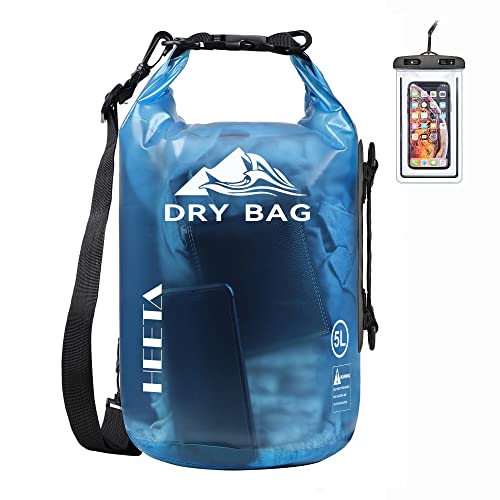
HEETA 20L Waterproof Dry Bag
- Roll-top 20L dry bag keeps everything waterproof for snorkeling, kayaking, and beach excursions
- Shoulder strap for easy carrying
Essential for water excursions, protects electronics and dry clothes on the boat
View on AmazonA $1,200/person cruise fare at moderate spending becomes approximately $2,040-2,640 per person when all extras are included. Plan for this range, and you won't be shocked by the final bill.
Use our Budget Calculator tool to estimate your total cruise cost before booking, explore cruise line profiles for details on what each line includes, and track ships on our live map.