Most cruise passengers visit the casino at some point. Often on the first night, when it's new and the ship smells fresh and a beer and a few hands of blackjack feels like the right introduction to the week. Some visit every night. Some become serious enough about it that the casino determines which ship they book.
If you're going to gamble on a ship. If you're a once-a-year player or someone who's wondering whether the player's club is worth pursuing. It helps to understand how these places actually operate.
Ready to sail with the casino in mind? Browse current cruise sailings on Cruisebound →
How Cruise Ship Casinos Work

Cruise ship casinos function under a specific legal framework that shapes the entire experience. In U.S. waters, federal law prohibits gambling operations within territorial waters. Defined as the 12-nautical-mile limit from shore. Ships observe this strictly. The casino doesn't open until the ship is in international waters, and it closes when approaching port.
This is why, on departure evening, you'll see passengers watching the ship's navigation screen waiting for the casino to open. On most sailings, it opens roughly 30–60 minutes after leaving port, once the ship has cleared the required distance.
The casinos themselves are run either by the cruise line directly (Royal Caribbean, Carnival, Norwegian) or through a contracted casino management company. The physical setup varies by ship size:
Large ships (Royal Caribbean's Oasis-class, Norwegian's megaships) have full casino floors with 200+ slot machines, 15–25 table games, and sometimes a dedicated high-limit room
Mid-size ships might run 80–150 slots and 8–15 tables
Small or luxury ships (Viking, Seabourn) often have minimal casinos or none at all. Viking Ocean has no casino, which is a deliberate brand choice
The casino is typically positioned mid-ship on a lower deck, often near the atrium or entertainment complex. The layout is intentional: it places the casino in a traffic flow zone that maximizes foot traffic from guests moving between venues.
Pro tip: The casino is open until at least midnight on most ships and often until 2–3 AM. If you want to play with fewer people around, late-night sessions (after midnight on sea days) are when the floor is least crowded and table minimums are sometimes lowered.
Best Games for Odds at Sea
The same math that applies in Las Vegas applies on ships. House edge is house edge. What varies is which tables are available and what the specific rules are for each game.
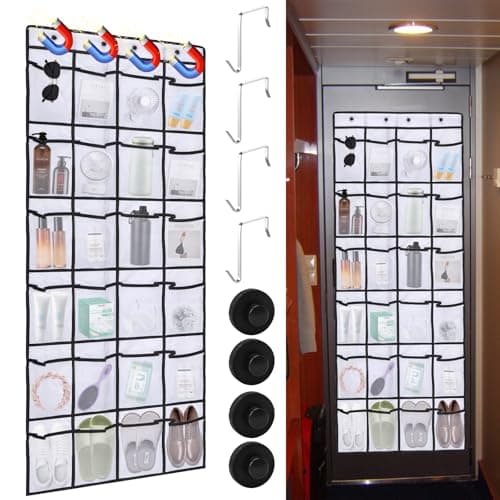
Cruise Door Organizer 24 Pockets Magnetic
- 24 clear pockets attach magnetically to the metal cabin door
- Holds sunscreen, lanyards, snacks, and small items
The single most recommended cruise hack — turns your cabin door into instant storage
View on AmazonBlackjack: Best Table Game for Skilled Players
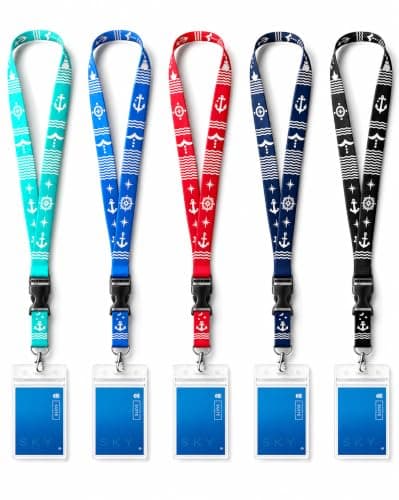
5-Pack Cruise Lanyards Waterproof
- Waterproof holders protect your cruise card at the pool and on excursions
- Five lanyards for the whole family
Your cruise card is your key, wallet, and ID — a waterproof lanyard keeps it safe and accessible
View on AmazonBlackjack with basic strategy (no card counting, just playing every hand correctly) gives the house an edge of 0.5–1.5% depending on the rules posted at the table. At that level, it's the best table game available for most players.
What to look for when choosing a table:
Single or double deck vs. six or eight decks. Fewer decks favor the player slightly. On cruise ships, six-deck shoes are most common.
Blackjack pays 3:2. Critical. Some tables (particularly $5 minimums) pay 6:5 on blackjack. This single rule change raises the house edge by about 1.4%. Never play 6:5 blackjack. Check the felt before sitting down.
Dealer stands on soft 17. Better for the player than dealer hits soft 17. Look for "S17" on the table signage.
Doubling and surrender rules. More liberal doubling options (down on any two cards) and the option to surrender a bad hand reduce the house edge further.
On cruise ships, finding a 3:2 blackjack table with S17 rules is achievable. The 6:5 tables at low minimums are the trap to avoid.
Pro tip: Most cruise ship casinos offer a free blackjack basics class at some point during the sailing. Usually during a sea day morning. It covers basic strategy for beginners. If you've never played blackjack before, attending takes an hour and saves you meaningful money over the course of a week.
Video Poker: The Underrated Option
Video poker is the best bet in the casino for players willing to learn optimal strategy. Jacks or Better played with perfect strategy on a full-pay machine (9/6 pay table. 9 coins for a full house, 6 for a flush) returns 99.54%. The house edge is under 0.5%.
The catch is that you need to know the correct play for every hand, which takes some memorization. And you need to find a full-pay machine. Many cruise ships run 8/5 or lower pay tables, which push the house edge toward 3–5%.
Check the pay table before you sit. Look for 9/6 Jacks or Better or Deuces Wild with a strong pay table. If all you see are 8/5 or worse machines, the slots next to them are nearly as good.
Craps: Best Bets Explained
Not every cruise ship has a craps table. The game requires space and dedicated staff. When it's available, it offers some of the best and worst bets in the casino simultaneously.
The best bets:
Pass line. 1.41% house edge
Don't pass. 1.36% house edge
Odds bets behind the pass/don't pass. Zero house edge. This is the only bet in any casino with no house advantage. Maximum odds vary by table; take the maximum whenever possible.
Come bets. Functionally similar to pass line, 1.41% edge
The bets to avoid:
Proposition bets (hard ways, any seven). House edges run 9–16%
Big 6/Big 8. Pays even money for something that pays 7:6 at the regular place bet window; house edge jumps to 9%
If you've never played craps, the table looks intimidating. The fundamental strategy is simple: pass line + maximum odds. Everything else can be ignored until you're comfortable.
Roulette: Know Which Wheel
American roulette (double zero. 0 and 00) has a house edge of 5.26%. European roulette (single zero) has a house edge of 2.7%. If the ship has both, play European.
Some ships offer single-zero American-layout tables as a compromise. The zero count is what matters, not the layout markings.
Roulette is a casino entertainment game. You're not expected to profit from it, and the math ensures you won't over time. Play it for the atmosphere and the slow pace, with a predetermined budget that you're comfortable losing.
Slots: Entertainment, Not Strategy
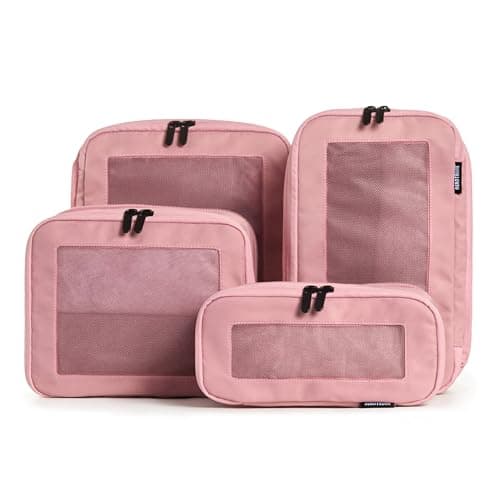
Aerotrunk Compression Packing Cubes 4-Pack
- Double-zipper compression cuts volume by up to 60%
- Four sizes cover every clothing type
Compression cubes are the single best way to fit a week of cruise outfits into a carry-on
View on AmazonSlot machines on cruise ships return 88–95%. Meaning for every $100 wagered, the machine pays back $88–$95 on average over time. This is less generous than the 94–98% found in competitive land-based markets.
There's no strategy element. The return is fixed by the machine's programming. If you're playing slots, you're paying for entertainment and the chance at a lucky session. Play the denomination you're comfortable with and the length of time you'd enjoy regardless of outcome.
One practical note: Higher denomination machines (quarters vs. pennies, dollars vs. quarters) typically offer better return percentages on cruise ships, as on land. A dollar slot usually returns better than a penny slot. This doesn't mean you should play higher than your comfort level. It means if you're choosing between two machines, pick the higher denomination if your budget allows similar play time.
The Player's Club: Free Cruises Are Real
Every major cruise line casino runs a loyalty program, and the serious players use it aggressively. The math favors consistent play within a single program.
How It Works
Sign up at the casino cage on embarkation day using your cabin number. The casino issues a player's card (or links tracking to your SeaPass/room card on lines that have integrated the systems). You earn points on every bet at a rate that varies by game and denomination:
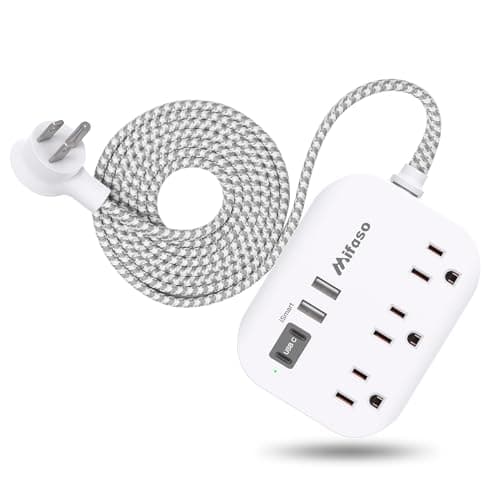
Mifaso Cruise-Approved Power Strip
- Cruise-approved (no surge protector) with multiple USB ports
- Compact design fits perfectly on the narrow cabin nightstand
Cruise cabins have limited outlets — this solves the charging problem without tripping ship safety rules
View on AmazonSlots earn points at the highest rate. You're betting rapidly, so points accumulate quickly
Table games earn at a lower rate per dollar wagered but are still tracked
Video poker is tracked but often at a lower rate than equivalent dollar slots
Points convert to onboard credit for this sailing, or accumulate toward status tiers for future sailings. The real value for regular casino players is in the comped future sailings available at higher tiers.
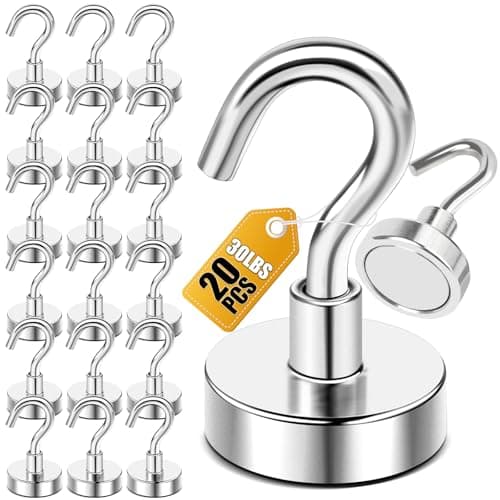
DIYMAG Magnetic Hooks 6-Pack
- Super-strong neodymium magnets stick to cabin walls and ceilings
- Hang hats, bags, towels, and lanyards anywhere
Cruise cabin walls are steel — magnetic hooks turn every surface into storage
View on AmazonRoyal Caribbean Casino Royale
Royal Caribbean's Casino Royale program is among the most generous comp programs in cruise casino operations. Players who reach the Diamond tier through casino spending can qualify for free or heavily discounted cabins on future sailings. Typically inside or oceanview cabins offered at $0 or $100–$300 per person.
To reach meaningful comp levels, you need meaningful play. Typically $3,000–$8,000+ in wagered money per sailing, depending on the current tier structure. But for regular casino players who would be spending that money anyway, concentrating play on Royal Caribbean ships rather than distributing across multiple lines produces a material return.
Norwegian CasX
Norwegian's program allows Casino at Sea points to transfer to CruiseNext certificates — essentially deposits against future cruises. The points accumulate for 12 months and can be combined with promotions.
Carnival VIFP Casino Benefits
Carnival's casino play earns VIFP (Very Important Fun Person) tier points that stack with cruise credits. The Casino Carnival program offers free play credits and discounted rates for active players.
General Player's Club Advice
Sign up on day one, every sailing, even if you only plan to play casually. There's no cost and no downside to having your play tracked. If you end up spending more time at the casino than you planned, you want those points counted. If you barely play, nothing is lost.
Keep your player's card with you and insert it (or ensure card linking is active) every session. Untracked play earns nothing.
International Waters Rules: What Actually Changes
The legal framework is often misunderstood. Here's what international waters status actually changes — and what it doesn't:
What changes when you're in international waters:
The casino can open legally
Some ships allow table limits above state gambling commission maximums
Duty-free purchases become available (shops, not casinos)
What does not change in international waters:
U.S. tax law still applies to U.S. citizens for gambling winnings
U.S. currency and banking regulations still apply
You cannot legally bring undeclared large winnings back through customs without reporting them
Minimum gambling age (18 or 21 depending on the ship's policy — most major cruise lines use 18 for ships operating outside U.S. territorial jurisdiction, but check your specific sailing)
The tax question specifically: The IRS's position is that U.S. citizens owe taxes on worldwide income, including gambling winnings. Winning $2,000 at blackjack on a ship in the Atlantic does not create a foreign income exemption. You're supposed to report it. Whether you will be issued a tax form depends on the cruise line's practices, which vary.
For large jackpots ($1,200+ on slots), some cruise lines do issue W-2G forms and withhold federal taxes as land casinos do. Others don't. The legal obligation exists regardless of the paperwork.
Practical Casino Etiquette on Ships
Minimum bets run lower than Las Vegas. On most cruise ships, table minimums start at $5–$10 per hand, with $15 tables common on sea days when traffic is high. On slow port departure evenings, $5 tables are findable. Las Vegas Strip minimums are often $15–$25 by evening. The cruise ship environment is genuinely more accessible for smaller-budget players.
Smoking policies vary dramatically. Some ships allow smoking in the casino; others have designated smoking sections or prohibit it entirely. Norwegian has traditionally maintained smoking sections in its casinos. If smoke is an issue for you, check your specific ship's policy before booking a casino-heavy sailing.
Tipping dealers is standard. The etiquette mirrors land casinos: tip after a good hand, or place a bet for the dealer ("for the dealer" positioned separately on the table). Dealer tips are typically pooled and shared.
Cash vs. marker vs. card. Most cruise ship casinos allow you to charge casino losses to your ship account (up to a limit, typically $500–$1,000 per day). Some allow wire transfers or casino markers for larger players. Cash is always accepted. Charging to your room is convenient but means you're settling up at the end of the sailing — it's easy to lose track of total spend. Cash or a predetermined casino budget on a separate card is better discipline for most players.
The casino is a social environment. Particularly on longer sailings, the same faces appear at the same tables night after night. The craps table especially develops a community over a week at sea. If you want conversation and company, the casino provides it. If you want to play quietly, video poker or a less-trafficked slot section works.
For more on getting the most out of your cruise, see our cruise tips guide or browse ships with the best onboard entertainment to find a sailing that fits how you like to spend your evenings.