Packing for a cruise isn't quite like packing for any other vacation. You're preparing for multiple destinations, changing weather conditions, formal dinners, beach days, and adventure excursions, all while living in a compact cabin with limited storage space.
The good news? Once you know what to bring, cruise packing becomes simple. This complete guide covers everything you need to pack for a cruise, organized by category, with specific recommendations and pro tips from seasoned cruisers.
Ready to book a cruise? Browse 12,000+ live cruise deals on Cruisebound. Filter by destination, length, cabin type, and departure port to see today's pricing before you keep reading.
Cruise Packing Essentials You Can't Forget
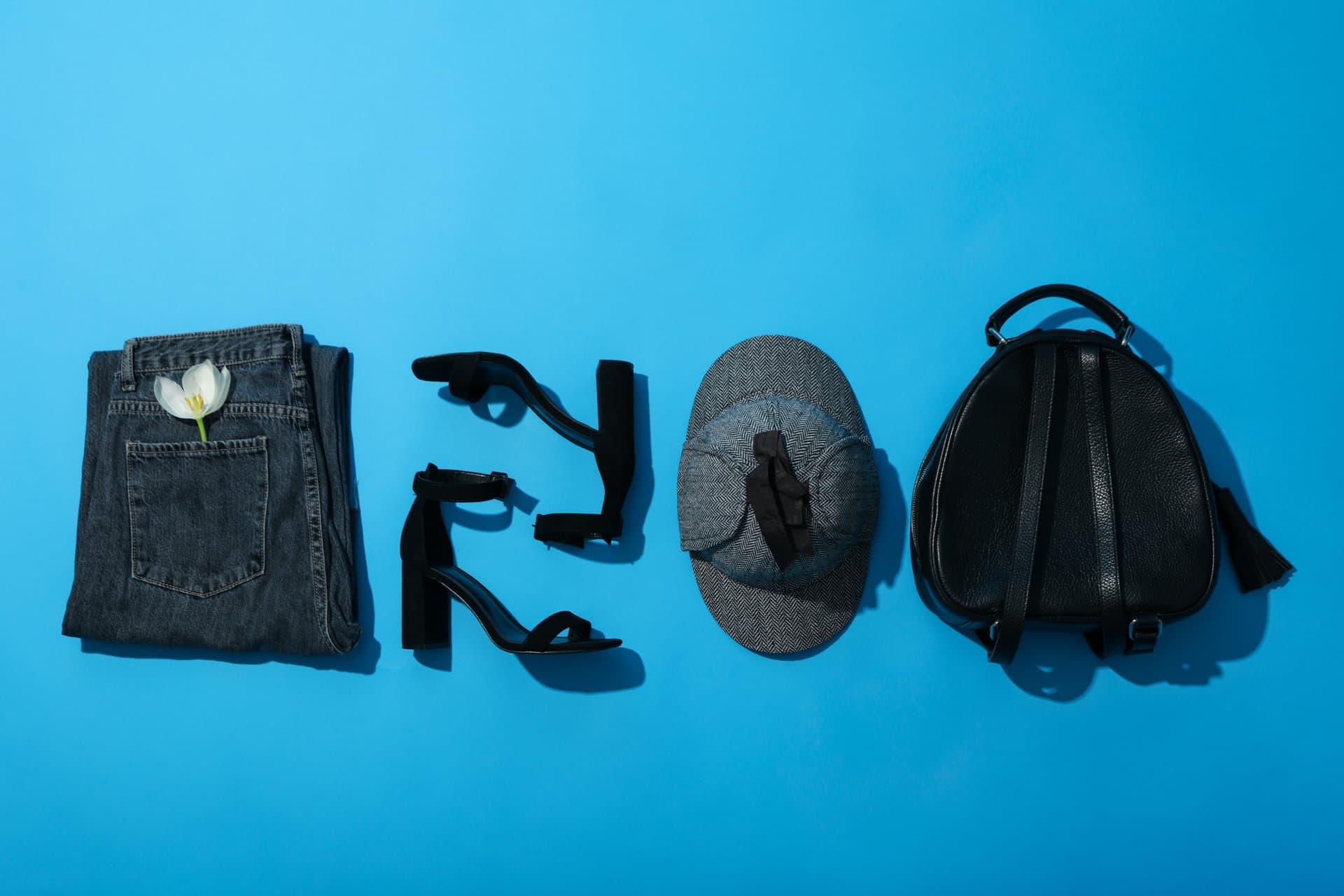
Before diving into clothing and accessories, let's cover the absolute must-haves that will make or break your cruise experience.
Travel Documents
Keep these in your carry-on bag, never in checked luggage:
Passport. Even for closed-loop cruises where a birth certificate technically works, bring your passport. If you need to fly home early from a foreign port due to an emergency, you'll need it. Ensure it's valid for at least six months beyond your return date.
Boarding pass and luggage tags. Print these at home or download to your phone. Most cruise lines let you check in online 3-5 days before departure.

Personalized Luggage Tags Embroidered
- Personalized embroidered tags make your bags instantly identifiable
- Durable material survives rough baggage handling
Thousands of black suitcases on embarkation day, personalized tags make yours stand out
View on AmazonCredit cards. Bring at least two from different banks. Your cabin account requires a credit card, and you'll need cash or cards in ports.
Travel insurance documents. If you purchased travel insurance (highly recommended), bring proof of coverage and emergency contact numbers.
Prescription documentation. If you take regular medications, bring a copy of your prescriptions or a letter from your doctor. This helps if medications are questioned at security or if you need to refill while traveling.
Power and Connectivity
Non-surge-protector power strip. This is the single most recommended item among cruise veterans. Cruise cabins typically have just 1-2 outlets, but you'll need to charge phones, tablets, cameras, e-readers, and smart watches. A USB power strip with multiple ports is ideal.
Why no surge protector? Cruise ships ban surge protectors due to fire safety regulations. Look for a simple multi-outlet extender or a USB charging hub without surge protection.
Multiple outlets plus USB-A and USB-C ports. Flat plug fits behind nightstands. Explicitly non-surge protected so it passes ship security every time. Lightweight, packs flat, and works on every major cruise line.
Check Price on Amazon → (affiliate link)
Cruise Essentials Non-Surge Power Strip
- Multiple outlets plus USB-A and USB-C ports
- Flat plug fits behind nightstands
Portable charger. Essential for long port days. A 10,000-20,000 mAh power bank keeps your phone alive during full-day excursions.

OHOVIV 50,000mAh Portable Power Bank
- 50,000mAh capacity charges phones 8-10 times over
- Not flight-legal, ~185Wh exceeds the 160Wh airline limit, so it is barred from carry-on and checked bags
50,000mAh capacity charges phones 8-10 times over and is flight-safe. USB-C fast charging gets you to 50% in about 30 minutes. Dual output charges two devices simultaneously so you and your travel partner are always covered.
Check Price on Amazon → (affiliate link)Universal travel adapter. Some cruise lines use European outlets (especially ships registered outside the U.S.). Check your specific ship's electrical specifications before you sail.

EPICKA Universal Travel Adapter
- Works in 150+ countries with US/EU/UK/AU plug types
- Built-in USB-A and USB-C ports
Mediterranean and Asian itineraries need different plugs at every port, this one adapter covers them all
View on AmazonCovers outlet types in 150+ countries so you're never caught off guard on a European or transatlantic sailing. Compact enough to pack alongside your non-surge power strip without adding bulk.
Check Price on Amazon → (affiliate link)Cabin Comfort Items
Magnetic hooks. Cruise cabin walls are metal, making magnetic hooks incredibly useful. Hang wet towels, hats, jackets, camera straps, and lanyards without taking up drawer space. Bring 4-6 strong magnetic hooks.
Super strong neodymium magnets hold up to 30 lbs each and attach instantly to metal cabin walls, ceilings, and bathroom doors. Won't scratch surfaces. Cruisers hang robes, swimwear, hats, camera straps, and lanyards. And usually wish they'd brought more.
Check Price on Amazon → (affiliate link)
Neosmuk Magnetic Hooks 80lb
- 80-pound pull force holds heavy jackets, camera bags, and backpacks
- Rubber coating prevents scratches on cabin surfaces
When you need to hang a heavy winter coat or camera bag on an Alaska cruise
View on AmazonOver-the-door organizer. A clear plastic shoe organizer with pockets provides instant storage for toiletries, sunscreen, accessories, and small items. Hang it on the bathroom door.

Cruise Door Magnetic Shoe Organizer
- Magnetic shoe pockets hang on the cabin door to keep shoes off the floor
- Clear pockets for easy selection
Cruise cabins have zero floor space, shoes on the door is genius
View on AmazonLanyard for your cruise card. Your cruise card is your room key, payment method, and ship ID. You'll use it dozens of times per day. A lanyard keeps it accessible and prevents you from leaving it in your cabin.
Night light. Interior cabins are pitch black with the lights off. A small LED night light helps navigate the bathroom at night without waking your cabinmate.
Wrinkle release spray. Irons and steamers are prohibited in cabins (fire hazard). Wrinkle spray helps freshen clothes that have been packed in suitcases for days.
What to Pack for Formal Nights
Formal nights vary by cruise line. Luxury lines like Cunard and Holland America maintain strict dress codes, while Norwegian Cruise Line has eliminated formal nights entirely in favor of "Norwegian's Choice" freestyle dining.
Understanding Dress Codes by Cruise Line
Royal Caribbean. 1-2 formal nights per 7-night cruise. "Formal" means suits, tuxedos, cocktail dresses, or evening gowns. Smart casual is acceptable if you skip the main dining room.
Carnival. 1-2 "elegant nights" per week. Similar to formal nights but slightly more relaxed.
Princess Cruises. Formal nights on cruises 7+ nights. Longer cruises may have multiple formal evenings.
Norwegian Cruise Line. No formal nights. "Freestyle cruising" means dress however you want, though specialty restaurants request smart casual (no shorts or tank tops).
Celebrity Cruises. "Evening chic" replaces traditional formal nights. Think cocktail attire.
Disney Cruise Line. Optional dress-up nights with themes (pirate night, semi-formal night). Many guests participate enthusiastically.
What to Actually Pack for Formal Nights
For men:
Suit or sport coat with dress pants
Dress shirt (white or light colored)
Tie (optional on most lines)
Dress shoes and dark socks
Belt
Pro tip: A navy blazer with gray or tan pants works for both formal nights and smart casual dining. Pack one blazer, two pairs of pants, and mix-and-match shirts.
For women:
Cocktail dress or evening gown
Dressy pantsuit or elegant separates
Dress shoes or heels
Evening bag or clutch
Statement jewelry
Pro tip: A little black dress (LBD) can be dressed up with different jewelry and accessories for multiple formal nights. Bring a pashmina or light wrap for heavily air-conditioned dining rooms.
Skip Formal Nights Entirely
If you don't want to pack formal wear, you have options:
Eat at the buffet (always casual)
Order room service
Visit the casual poolside grill
Book late dining and attend the show first (miss the dining room's formal requirement)
On ships like Icon of the Seas and Wonder of the Seas, you'll find 40+ dining options, so skipping the main dining room is easy.
Clothing for Daytime and Casual Evenings
How Much to Pack for a 7-Day Cruise
Unlike land vacations where you pack a different outfit for each day, cruise packing works differently:
You'll wear swimwear during sea days (doesn't count as an outfit)
You can re-wear shorts and casual tops
Evening outfits are often the same pieces mixed differently
Laundry services (or cabin washing) extend your wardrobe
Recommended for 7 days:
3-4 casual daytime outfits
2-3 swimsuits
2-3 evening outfits (smart casual)
1 formal outfit (if applicable)
Shore excursion outfit
Comfortable walking shoes
Sandals/flip-flops
Dress shoes
Daytime Essentials
Swimwear. Pack at least two swimsuits so one can dry while you wear the other. Cruise ships have pools, hot tubs, waterslides, and you'll visit beaches in port. Quick-dry fabrics are ideal.
Cover-ups. Required in dining areas and indoor public spaces. You can't walk through the ship's interior in just swimwear. A simple sundress or shorts and t-shirt works.
Shorts and casual tops. Comfort is key. Pack lightweight, breathable fabrics for tropical cruises. For Alaska or Northern Europe, bring jeans and long pants.
Light jacket or cardigan. Ships are heavily air-conditioned. The difference between the pool deck (85°F in the sun) and the interior spaces (68°F with AC) is dramatic. A light layer is essential.
Comfortable walking shoes. You'll walk several miles during port days. Break in your shoes before the cruise. Avoid brand-new shoes that cause blisters.
Flip-flops or sandals. For the pool deck, cabin, and quick trips to the buffet. Water-friendly sandals work for both ship and shore.
Evening Casual and Smart Casual
Most cruise line main dining rooms require "smart casual" attire for dinner:
Smart casual for men:
Slacks, khakis, or dark jeans
Collared shirt or polo
Closed-toe shoes (no flip-flops)
Smart casual for women:
Dress, skirt and blouse, or dressy pants
Casual sundress (nicer than daytime)
Sandals or casual heels
What to avoid:
Shorts after 6 PM in dining rooms
Tank tops or sleeveless shirts for men
Flip-flops or beach sandals
Baseball caps indoors
Swimwear outside pool areas
Pro tip: Dark jeans are accepted as smart casual on most mainstream cruise lines (Royal Caribbean, Carnival, Norwegian, Celebrity). Luxury lines may prohibit denim in dining rooms.
Shore Excursion Packing List
Port days require different gear depending on your activities. Here's what to pack for common excursion types:
Beach and Snorkeling Excursions
Reef-safe sunscreen. Hawaii, the Caribbean, and many marine reserves ban traditional sunscreen containing oxybenzone and octinoxate. These chemicals damage coral reefs. Bring mineral sunscreen with zinc oxide or titanium dioxide.
Mineral formula with zinc oxide or titanium dioxide protects reefs and complies with local bans on chemical sunscreens. SPF 50+ keeps you protected through full days on the water without the guilt of harming coral ecosystems.
Check Price on Amazon → (affiliate link)Water shoes. Rocky beaches, coral, sea urchins, and hot sand make water shoes essential. They're required for excursions like Cozumel's beach breaks and Labadee's zip lines.
Waterproof phone pouch. Keep your phone dry and functional for photos. A floating waterproof case provides extra security.
Full touchscreen access while sealed with military-grade drop protection plus IP68 waterproofing. Built-in detachable lanyard prevents drops overboard. Fits all modern smartphones up to 6.7 inches and works for underwater photos.
Check Price on Amazon → (affiliate link)Quick-dry towel. Some beaches don't provide towels, and cruise ship towels can't leave the ship (they're tracked via embedded chips). A compact microfiber towel solves this.
Dries 10x faster than cotton and packs down to the size of a water bottle. Essential for beaches where ship towels can't go and for wrapping up quickly after snorkeling. Lightweight enough that you'll barely notice it in your day bag.
Check Price on Amazon → (affiliate link)Snorkel gear. If you have your own mask and snorkel, bring it. Rental gear doesn't always fit well, and having your own is more hygienic.
Underwater camera. A GoPro or waterproof camera captures amazing memories. Most phones aren't truly waterproof despite water resistance ratings.
Truly waterproof down to 33 feet without a housing so you can capture reef fish, sea turtles, and underwater landscapes with full clarity. Shoot stabilized 4K video while zip-lining, kayaking, or surfing. Your phone camera simply can't compete at depth.
Check Price on Amazon → (affiliate link)Adventure and Nature Excursions
Insect repellent. Essential for rainforest hikes, zip-lining, and jungle excursions. Mosquitoes and sand flies are aggressive in tropical ports.
Long, lightweight pants and long sleeves. Protects against sun, insects, and scrapes during hiking or zip-lining. Lightweight hiking pants with zip-off legs are versatile.
Sturdy closed-toe shoes. Hiking boots or trail runners for excursions involving uneven terrain, mud, or wildlife encounters.
Daypack or backpack. Holds water, sunscreen, camera, snacks, and layers. A 15-20L pack is perfect.
Rain jacket. Tropical weather changes quickly. A lightweight, packable rain jacket fits in your daypack.
Hat with chin strap. It's windy on tenders (small boats shuttling passengers to shore) and excursion boats. A hat with a strap won't blow away.
Binoculars. For whale watching in Alaska, bird watching in the Galápagos, or wildlife spotting anywhere.
10x magnification with a 25mm objective lens delivers crisp detail. Compact folding design fits in a jacket pocket. Fully waterproof to handle rain and salt spray. Wide field of view makes it easy to track moving whales, eagles, or dolphins.
Check Price on Amazon → (affiliate link)City and Cultural Excursions
Comfortable walking shoes. European cities mean cobblestone streets and miles of walking. Broken-in walking shoes are non-negotiable.
Modest clothing for religious sites. Many churches, mosques, and temples require covered shoulders and knees. Bring a scarf or light cardigan to cover up quickly.
Small crossbody bag. Keeps hands free for photos and protects valuables in crowded tourist areas. Avoid large backpacks that make you a target for pickpockets.
Cash in local currency: Taxis, public restrooms, street vendors, and small shops often don't accept credit cards. Exchange money before your cruise or withdraw from ATMs in port.
Packing a Shore Excursion Day Bag
Before each port day, pack a small bag with:
Phone and portable charger
Cash (mix of U.S. dollars and local currency)
Credit card (separate from your wallet on the ship)
Sunscreen and lip balm
Sunglasses
Hat
Water bottle (fill on the ship)
Medications (if needed)
Ship's ID card and shore excursion tickets
Light jacket or rain jacket
Important: Always carry your cruise card. You'll need it to get back on the ship. Keep it in a secure pocket or lanyard under your shirt.
Toiletries and Health Items
Cruise ships provide basic shampoo, conditioner, body wash, and lotion in cabin bathrooms. Quality varies by cruise line, luxury lines offer premium brands, while mainstream lines provide basic products.
What to Pack
Sun protection:
SPF 50+ sunscreen (reef-safe if visiting marine areas)
After-sun lotion or aloe vera gel
Lip balm with SPF 30+
Sunglasses with UV protection
Medications and first aid:
Prescription medications (bring extra, if you need 14 pills, bring 20)
Motion sickness remedies (Dramamine, Bonine, ginger candies, Sea-Bands)
Drug-free acupressure on the Nei-Kuan point delivers relief with zero drowsiness or side effects. Reusable for years and safe for kids, pregnant travelers, and adults. FDA-cleared and effective within minutes of wearing, put them on before you feel sick.
Check Price on Amazon → (affiliate link)Pain reliever (ibuprofen or acetaminophen)
Antacid (rich cruise food can upset stomachs)
Anti-diarrheal medication
Antihistamine for allergies
Band-aids and antibiotic ointment
Prescription seasickness patches (ask your doctor before the cruise)
Pro tip on seasickness: Modern cruise ships have advanced stabilizers that minimize motion. Most cruisers never feel seasick. But if you're prone to motion sickness, pack remedies and choose a mid-ship cabin on a lower deck (less movement).
Personal care:
Deodorant
Toothbrush, toothpaste, floss
Razors and shaving cream
Hair products (shampoo, conditioner, styling products)
Hair dryer (cabins provide basic dryers, but they're often weak)
Makeup and makeup remover
Contact lenses and solution (bring backups)
Glasses (in case contacts irritate your eyes)
Feminine hygiene products
Hand sanitizer (ships have stations everywhere, but bring travel-size)
What Ships Provide
Most cruise ships include:
Bath towels, pool towels, beach towels
Shampoo, conditioner, body wash, lotion
Hair dryer
Soap
Tissue
Items Most People Forget to Pack
These often-overlooked items make a surprising difference:
1. Collapsible Water Bottle
Staying hydrated is critical on a cruise, especially in tropical climates. Ships provide water at buffets and bars, but carrying a reusable bottle means you're never thirsty. Collapsible silicone bottles save packing space.
2. Packing Cubes
Packing cubes keep your suitcase organized and make it easy to find items in cramped cabin storage. Use different colored cubes for different categories (swimwear, evening wear, toiletries).
Compression zippers squeeze out air so you fit more into your suitcase. Color-coded sets make it effortless to locate swimwear, evening wear, or shore excursion gear without unpacking everything. Cruise cabin storage is tight, cubes make it manageable.
Check Price on Amazon → (affiliate link)3. Luggage Scale
Avoid overweight baggage fees on your flight home by packing a small digital luggage scale. Weigh your bags before heading to the airport.
Pocket-sized scale weighs bags in seconds and saves you from surprise fees at the airport check-in counter. After a cruise full of souvenir shopping, bags gain weight fast, knowing your exact weight before you leave the ship saves real money.
Check Price on Amazon → (affiliate link)4. Reusable Shopping Bag
Folds into nothing, weighs nothing, but holds all your port day souvenirs. Some ports charge for plastic bags or ban them entirely.
5. Ziploc Bags
Pack a variety of sizes. Use them for:
Wet swimsuits
Dirty laundry
Phone protection at the beach
Organizing small items
Protecting electronics from humidity
6. Travel-Size Laundry Detergent
Most ships have self-service laundry rooms (for a fee). Washing a few items mid-cruise means you can pack less. Sink-washing delicates in your cabin also works.
7. Highlighter
The daily cruise newsletter (delivered to your cabin each evening) lists activities, dining times, port information, and entertainment. Highlight the activities you want to attend.
8. Book or E-Reader
Sea days are perfect for reading. Load your e-reader before the cruise, ship Wi-Fi is expensive and slow for downloading books.
9. Deck of Cards or Travel Games
For rainy days, casual evenings on your balcony, or downtime in port. Simple entertainment that doesn't require Wi-Fi.
10. Foam Earplugs
Cabins can be noisy: neighboring cabins, hallway traffic, anchor chains. If you're a light sleeper, earplugs ensure restful nights.
What NOT to Pack (Prohibited Items)
Cruise lines strictly enforce prohibited item lists. Security screens all luggage at embarkation. Banned items are confiscated and typically not returned.
Never Pack These:
Fire hazards:
Irons and steamers
Hot plates or coffee makers with heating elements
Candles and incense
Extension cords with surge protectors
Lighters (in checked bags)
Weapons:
Guns, knives, scissors longer than 4 inches
Brass knuckles, batons
Martial arts equipment
Electronics:
Drones (banned on virtually all cruise ships)
Hoverboards
Radio equipment or CB radios
Alcohol policy varies by cruise line:
Most prohibit bringing hard alcohol
Wine and champagne: usually 1-2 bottles per cabin allowed at embarkation (corkage fee applies in dining rooms)
Beer: some lines allow a 12-pack per person
No alcohol can be brought onboard after visiting ports (it will be held until disembarkation)
Other banned items:
Illegal drugs
Pets (except service animals)
Fishing gear
Inflatable boats or rafts
Fireworks
Check your specific cruise line's prohibited items list before packing. Policies vary, and ignorance doesn't exempt you from confiscation.
Packing by Cruise Destination
Different itineraries require different gear.
Caribbean Cruise Packing
Focus on sun protection and beach gear. Pack lightweight, breathable fabrics.
Essential additions:
Multiple swimsuits
Reef-safe sunscreen
Water shoes
Wide-brim hat
Sunglasses
Cover-ups
What to skip:
Heavy jackets (just bring a light cardigan for AC)
Formal wear (if your line has relaxed dress codes)
Recommended ships for Caribbean: Harmony of the Seas, Allure of the Seas
Alaska Cruise Packing
Layering is everything. Weather ranges from 40°F mornings to 65°F afternoons, with frequent rain.
Essential additions:
Waterproof jacket (rain is common)
Fleece or down jacket for glacier viewing
Long pants and long sleeves
Warm hat and gloves
Binoculars for wildlife
Waterproof hiking boots
What to skip:
Swimsuits beyond 1 (pools are heated but you won't use them often)
Shorts (except for the ship's gym)
Alaska cruises often have fewer formal nights. Check your specific sailing.
Mediterranean Cruise Packing
Prepare for walking cobblestone streets and visiting religious sites.
Essential additions:
Comfortable walking shoes (broken in!)
Modest clothing for churches (covered shoulders and knees)
Light scarf (serves as religious site cover-up and fashion accessory)
Nicer casual wear (European dress standards are more formal)
Adapter for European outlets
What to skip:
Excessive formal wear (though Mediterranean cruises tend to have more elegant evenings)
Popular Mediterranean ships: MSC Seascape, Norwegian Epic
Transatlantic or World Cruise Packing
Long voyages (10+ nights) require strategic packing:
Essential additions:
Laundry detergent for self-service laundry
More formal wear (longer cruises have more formal nights)
Extra medications and toiletries
Books, e-readers, and entertainment for many sea days
Layers for changing climates
What to pack less of:
Daytime casual (use ship laundry services)
Carry-On Bag Essentials
Your checked luggage may not arrive at your cabin for several hours after embarkation. Some cruisers don't see their bags until early evening.
Pack a carry-on with:
Swimsuit and cover-up (head straight to the pool!)
Sunscreen
Change of clothes
Medications
Toiletries for first evening
Phone charger
Cruise documents
Valuables and electronics
Book or entertainment
Pro tip: Lunch is served immediately when you board. After checking in, grab lunch, explore the ship, and head to the pool while you wait for your cabin to be ready (usually 1:30-2:00 PM).
Downloadable Cruise Packing Checklist
Use this complete checklist for your cruise:
Documents
[ ] Passport (valid 6+ months)
[ ] Cruise boarding pass
[ ] Photo ID
[ ] Credit cards (at least 2)
[ ] Travel insurance documents
[ ] Prescription documentation
Clothing - Daytime
[ ] Swimsuits (2-3)
[ ] Cover-ups
[ ] Shorts (3-4)
[ ] Casual shirts/tops (4-5)
[ ] Long pants (2)
[ ] Sundress (1-2)
[ ] Light jacket/cardigan
[ ] Walking shoes
[ ] Sandals/flip-flops
[ ] Water shoes
Clothing - Evening
[ ] Smart casual outfits (2-3)
[ ] Formal outfit (if applicable)
[ ] Dress shoes
[ ] Belt
[ ] Evening accessories
Toiletries
[ ] Sunscreen SPF 50+
[ ] After-sun lotion
[ ] Lip balm with SPF
[ ] Medications
[ ] Motion sickness remedies
[ ] First aid supplies
[ ] Toiletry basics
Electronics
[ ] Phone and charger
[ ] Portable charger
[ ] Camera
[ ] E-reader
[ ] USB power strip (no surge protector)
[ ] Headphones
[ ] Travel adapter
Cruise-Specific Items
[ ] Magnetic hooks (4-6)
[ ] Over-door organizer
[ ] Lanyard
[ ] Small day bag
[ ] Packing cubes
[ ] Reusable water bottle
[ ] Night light
[ ] Wrinkle spray
Shore Excursion Gear
[ ] Cash (local and U.S. dollars)
[ ] Waterproof phone pouch
[ ] Reef-safe sunscreen
[ ] Hat with strap
[ ] Backpack
[ ] Rain jacket
[ ] Insect repellent
Often Forgotten
[ ] Highlighter
[ ] Ziploc bags
[ ] Book/e-reader
[ ] Earplugs
[ ] Travel games
[ ] Luggage scale
[ ] Reusable shopping bag
[ ] Laundry detergent
Final Packing Tips
1. Pack light, then remove more. Cruise cabins have limited storage. You'll wear less than you think.
2. Check the weather forecast. Look at your specific ports and ship location for the week of your cruise. Adjust accordingly.
3. Coordinate with your cabinmate. Don't both pack hair dryers, first aid kits, and other shareable items.
4. Leave room for souvenirs. Pack a collapsible duffel bag inside your suitcase for the return trip.
5. Wear your bulkiest items on the plane. Travel in your sneakers and heaviest jacket to save luggage space.
6. Use the ship's services. Laundry, dry cleaning, and pressing services (for a fee) mean you can pack less and look sharp.
7. Download the cruise line app. Most cruise lines offer apps with digital boarding, daily schedules, dining reservations, and ship maps. Download before you leave home while you have reliable Wi-Fi.
Track Your Ship Before You Sail
Want to see where your ship is right now? Use our live cruise ship tracker to watch your ship's journey before you board. Track vessels in real-time, see current positions, and explore ports around the world where you'll be visiting.
Curious about your ship's size compared to others? Check out our ship comparison tool to see how your cruise ship stacks up against the competition.
Ready for Your Cruise Adventure?
Now that you know exactly what to pack, you're ready for an incredible cruise vacation. Remember: the most important things to bring are your passport, medications, and a sense of adventure. Everything else can be purchased onboard or in port if you forget it.
Browse popular cruise ships:
Read more cruise planning guides →
Bon voyage!