No destination in travel requires more honest preparation than Antarctica. It is the coldest, windiest, most remote continent on Earth. And one of the most expensive cruise itineraries you can book. It is also, by most accounts of those who have made the journey, unlike anything else. This guide will tell you what the trip actually costs, what the experience actually involves, and what you genuinely need to bring.
When to Go: The Antarctic Summer
The Antarctic cruise season runs from late October through March. Outside that window, the continent is locked in polar winter. No daylight, no access, no sailings.
Within the season, timing affects what you see and what you pay.
October–November (Early Season) The pack ice is still retreating and some bays remain inaccessible early on. Penguin colonies are arriving and establishing nests. Prices are 10–20% below peak. This is the right window if you want dramatic ice scenery and can accept some itinerary variability.
December–February (Peak Season) The longest days in the Southern Hemisphere. Often 20+ hours of usable light near the solstice. Penguin chicks are hatching and visible from late December onward. Whale activity near the peninsula is highest. This is also the warmest and most stable window, weather-wise. It is the most expensive period; book 12–18 months out if you want a specific sailing.
March (Late Season) Days are shortening but adult penguins are still present. Prices soften as operators try to fill remaining cabins. Fewer ships means quieter landings. The risk is increased storm probability as autumn approaches.
The Drake Passage: Two Days Between You and the Continent
Most Antarctica expeditions depart from Ushuaia, Argentina. The world's southernmost city and the gateway to the Drake Passage. From Ushuaia, crossing to the Antarctic Peninsula takes approximately two days by sea each way.
The Drake Passage has a reputation it has earned. It sits at the convergence of three oceans with no landmass to interrupt swells circling the globe at latitude 60° South. On a benign crossing, the "Drake Lake", swells are manageable at 1–2 meters and the journey is a chance to spot albatrosses, petrels, and the first icebergs. On a rough crossing, the "Drake Shake", seas can run 6–8 meters or higher, and even hardened mariners spend the days horizontal.
If you're concerned about motion sickness, prepare seriously. Seasickness patches and acupressure bands are worth having before you board, not scrambling for in Ushuaia. A dedicated cruise seasickness prevention guide covers the full toolkit.
The Fly-the-Drake option: A growing number of operators offer charter flights from Punta Arenas, Chile to King George Island, where passengers board the ship and bypass the sea crossing entirely. This saves roughly two days each way and eliminates the worst of the motion risk. The premium runs approximately $4,000–$7,000 per person above the base itinerary price. Worth it for some travelers; unnecessary for many others.
A note on tracking: At cruiseshiptracking.com we track expedition ships via AIS, and most vessels are visible on the Drake Passage and in the waters around the Antarctic Peninsula. AIS coverage becomes sparse farther south, the infrastructure simply doesn't reach deep into Antarctic waters, but you can follow your ship's transit in the Drake before and after the peninsula portion of any itinerary.
IAATO Rules: Why Ship Size Matters
The International Association of Antarctica Tour Operators (IAATO) sets the rules that all reputable expedition operators follow. Understanding them determines what kind of ship you book.
The core rules:
Ships carrying more than 500 passengers may not make shore landings. They may cruise Antarctic waters and view from deck only.
No more than 100 guests may be ashore at any single site at one time.
Approximately one guide per 20 guests on every landing.
No approach within established distances of wildlife; guides enforce these strictly.
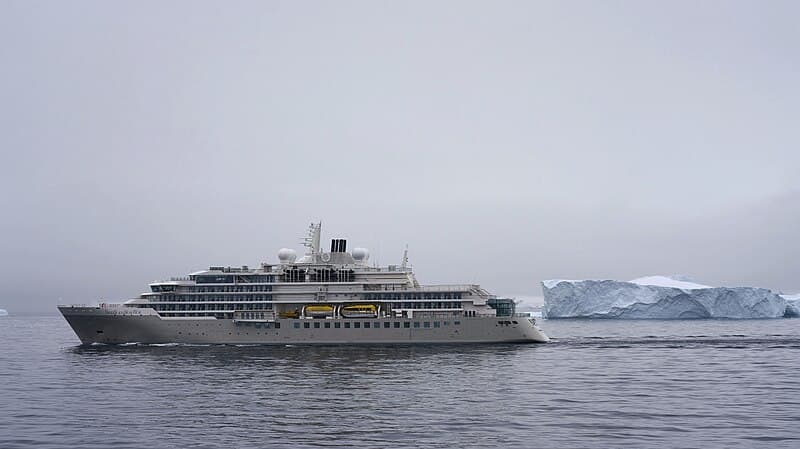
This means that if setting foot on the continent is the point, if you want to stand in a Gentoo penguin colony or step onto the ice, you need an expedition ship, almost always carrying under 200 guests. Operators like Lindblad Expeditions, Silversea, Viking, and others run purpose-built vessels designed for this. These ships carry Zodiac inflatable craft for shore landings, and shore landings are the defining experience of an Antarctic expedition.
A large ocean liner in Antarctic waters is a very different product. It is not a lesser version of the same trip. It's a fundamentally different trip.
What Antarctica Actually Costs
Antarctica is expensive. Here is what the market looks like in honest terms, per person based on double occupancy:
Budget / Entry-Level Expeditions (~10–12 days) From approximately $8,500pp. These sailings typically cover the Antarctic Peninsula only, in basic cabin categories on smaller vessels. The Antarctica experience is the same; the ship amenities are not.
Standard Peninsula Expeditions (10–12 days) $12,000–$18,000pp is the realistic range for a well-equipped expedition ship with experienced naturalists, comfortable cabins, and reliable shore landing programs. This is the core of the market.
Extended Itineraries: Falklands + South Georgia (~20 days) From $15,000pp and typically higher. South Georgia. With its massive king penguin colonies in the hundreds of thousands, elephant seals, and albatross nesting grounds. Is considered by many naturalists to be the greater destination. The Falklands add a distinct stop with its own wildlife and history. These sailings are longer and the per-diem cost is often lower than the headline price suggests.
Premium Remote Itineraries: Ross Sea / East Antarctica $16,000–$23,000+pp. The Ross Sea is the most remote Antarctic destination accessible by expedition ship, reaching the Ross Ice Shelf, Ross Island, and McMurdo Sound. Very few operators run these itineraries. The terrain is extraordinary and the passenger count is small.
Optional Add-Ons Most operators offer activity upgrades bookable in advance. Pricing varies by operator but typical ranges:
Kayaking: ~$750–$1,000
Camping on the ice overnight: ~$500
Skiing / ski touring: ~$500
Scuba diving: ~$1,000+
These add-ons are worth considering at booking time. They're often sold out by the time the ship sails.
For context on how Antarctic expedition pricing compares to other premium cruise categories, see our luxury cruise ships guide for 2026.
Wildlife: What You Will See
Antarctica's wildlife viewing is unlike anywhere else on the planet, not because of rarity but because of density and proximity. The animals have no learned fear of humans. You walk through it.
Penguins The three species most commonly encountered on peninsula itineraries are Gentoo (the fastest swimming penguin), Adélie (small, pugnacious, famously charismatic), and Chinstrap (named for the narrow black band across the chin). Colonies number in the tens of thousands at major sites. During peak season, penguin chicks are visible. Downy, ungainly, demanding.
Seals Leopard seals are the apex predator of the peninsula. Long, powerful, occasionally curious about Zodiacs. Weddell seals are the more commonly seen species, often hauled out on ice floes at close range.
Whales Humpback and minke whales are regularly sighted in Drake Passage waters and near the peninsula. Humpbacks in particular tend to approach Zodiacs, which is an experience no amount of preparation quite readies you for.
Seabirds Wandering albatrosses with wingspans exceeding 3 meters, multiple species of petrel, and Antarctic terns are constant companions during the Drake crossing. Waterproof binoculars are worth having well before the ship leaves Ushuaia.
What to Pack
Antarctica is not a destination where you improvise gear on arrival. Ushuaia has outdoor shops, but prices are high and selection is limited. Pack before you go.
The outer layer A waterproof expedition parka is the single most important piece of kit. It needs to be genuinely waterproof (not water-resistant), wind-blocking, and long enough to cover your hips when you're leaning over a Zodiac in chop. Many operators loan rubber boots for shore landings, but your parka is yours to source. Budget accordingly.
Base layers Merino wool thermal base layers outperform synthetics in Antarctica because they regulate temperature across a wider range of activity and resist odor during multi-day landings. Pack at least two full sets.
Hands Standard ski gloves are inadequate. Waterproof expedition gloves, with a gauntlet that keeps water out of the cuff during Zodiac boarding, are necessary. Dexterity matters for camera operation; consider a thin liner glove under a heavier outer.
Dry storage Everything that goes into a Zodiac risks getting wet. A 20–40L dry bag protects cameras, extra layers, and personal items during shore landings. One per person is sufficient; larger if you carry significant camera equipment.
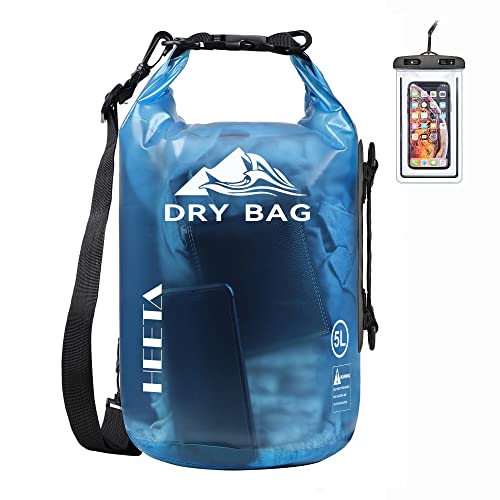
HEETA 20L Waterproof Dry Bag
- Roll-top 20L dry bag keeps everything waterproof for snorkeling, kayaking, and beach excursions
- Shoulder strap for easy carrying
Essential for water excursions, protects electronics and dry clothes on the boat
View on AmazonCamera You will regret not having a weather-sealed camera. A waterproof or action camera as a backup, or primary, means you're not protecting a body and lens in spray and sleet. The light in Antarctica, particularly in December and January, is extraordinary: golden-hour light that lasts for hours. A camera you can use freely is better than one you're protecting.
For a complete packing checklist applicable to expedition sailings, see our guide on what to pack for a cruise.
Travel Insurance: Non-Negotiable
Medical evacuation from Antarctica can cost $100,000 or more. The region has no hospitals, no medevac helicopters on standby, no guaranteed rescue window. Weather grounds aircraft for days at a time. Every reputable operator requires proof of medical evacuation coverage as a condition of boarding.
Beyond evacuation, trip cancellation coverage matters here more than on any other itinerary. If a storm forces the ship to miss port calls, if your flight to Ushuaia is cancelled and you miss departure, if illness strikes before or during. The financial exposure is significant given the prices involved. A complete policy is not a luxury at these price points.
Our cruise travel insurance guide covers how to evaluate policies specifically for expedition sailings.
Planning Your Booking
Book early. The best cabins and the most popular sailings, peak December itineraries, South Georgia extensions, Ross Sea voyages, sell 12 to 18 months out. If you're serious about a specific departure window, the time to book is now, not six months from now.
Ask about the ship's history. Expedition operators vary considerably in naturalist quality, Zodiac program rigor, and shore landing success rates. A ship with an experienced expedition team makes a material difference to what you actually get to do. Read staff bios, not just vessel specs.
Understand what's included. On most expedition sailings, shore landings, lectures, and Zodiac tours are included in the fare. Alcohol, tips, and add-on activities are almost always extra. Clarify this before comparing prices between operators.
Consider your sea legs honestly. If motion sickness is a real concern, either take it seriously in your gear preparation, patches, acupressure bands, prescription medication, or budget for a fly-the-Drake option. The Drake Passage at its worst is not a place to improvise.
For comparison across expedition cruise lines and how they differ from mainstream cruise products, our Alaska cruise planning guide covers the expedition vs. mass-market distinction in useful detail.
Frequently Asked Questions
What is the best time of year to cruise Antarctica? The Antarctic summer runs from late October through March. December through February is peak season. The longest days, the best weather windows, penguin chick sightings, and the most active wildlife. It's also the most expensive. October–November is early season: pack ice is still retreating, wildlife is arriving, and prices are 10–20% lower. March is late season: the days are shortening but adult penguins are still present and crowds thin considerably.
How rough is the Drake Passage? Genuinely unpredictable. On a calm crossing, sailors call it the "Drake Lake", swells are 1–2 meters and most people manage fine. On a bad crossing, the "Drake Shake", seas can reach 6–8 meters or more and even experienced travelers are in their bunks. The crossing takes roughly two days each way. If sea motion is a serious concern for you, consider a "Fly the Drake" option, which substitutes charter flights to King George Island for the sea crossing. Expect to pay roughly $4,000–$7,000 per person more, and you'll save about two days each way.

32-Count Motion Sickness Patches 72hr
- Behind-the-ear patches provide 72 hours of relief per patch
- 32 patches cover multiple cruise trips
Apply once and forget for three days, the set-it-and-forget-it approach to seasickness
View on AmazonCan large cruise ships visit Antarctica? Large ships can visit Antarctic waters, but IAATO rules, followed by all reputable operators, prohibit vessels carrying more than 500 passengers from making shore landings. Those ships offer deck viewing only. If actually setting foot on the continent is your goal, you need an expedition ship, almost always carrying under 200 guests. Landings are also capped at 100 guests ashore at any site at once, with roughly one guide per 20 passengers.
Do I need travel insurance for Antarctica? Yes, and this is non-negotiable in practice. Medical evacuation from the Antarctic Peninsula can cost $100,000 or more. The region has no hospitals, no reliable infrastructure, and weather that can ground rescue aircraft for days. Every reputable operator requires proof of evacuation coverage, and most require complete trip insurance as well. See our full guide to cruise travel insurance before you book.
What wildlife will I actually see in Antarctica? The core wildlife (penguins (Gentoo, Adélie, and Chinstrap are the most commonly encountered), leopard seals, Weddell seals, humpback and minke whales, and multiple species of albatross) is remarkable in its density and its complete indifference to humans. On a typical Zodiac landing you'll walk through active penguin colonies at close range. Whale sightings are common in the Drake Passage and near the peninsula. The wildlife is not the surprise; the surprise is how overwhelming the scale of it is.

Compact Waterproof Binoculars (10x25)
- 10x magnification with 25mm objective lens for crisp detail
- Compact folding design fits in a jacket pocket