
 Spots going fast
Arctic Edges: Iceland Westfjords To East Greenland
Linblad / Nat. Geo. • National Geographic Explorer
Aug 2, 2026
$10,129/person
View Deal →Side-by-side cruise ship comparison · Updated January 2026
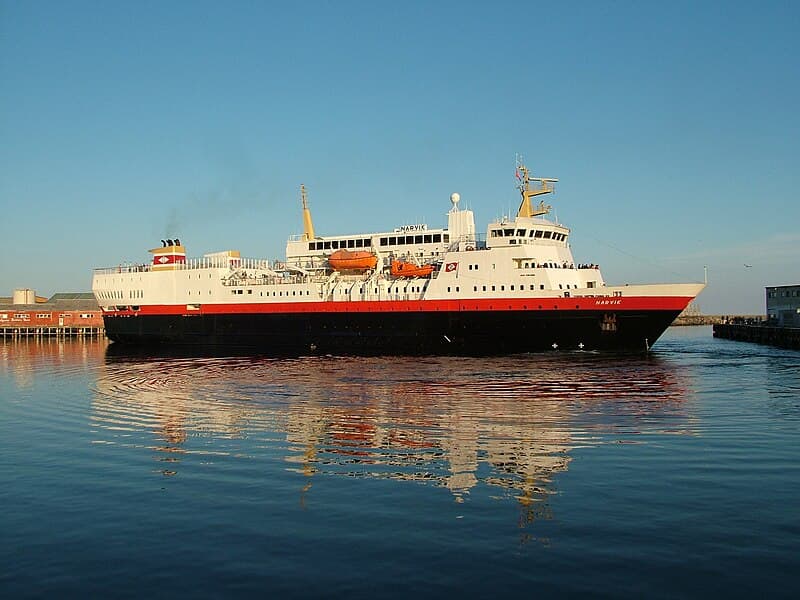
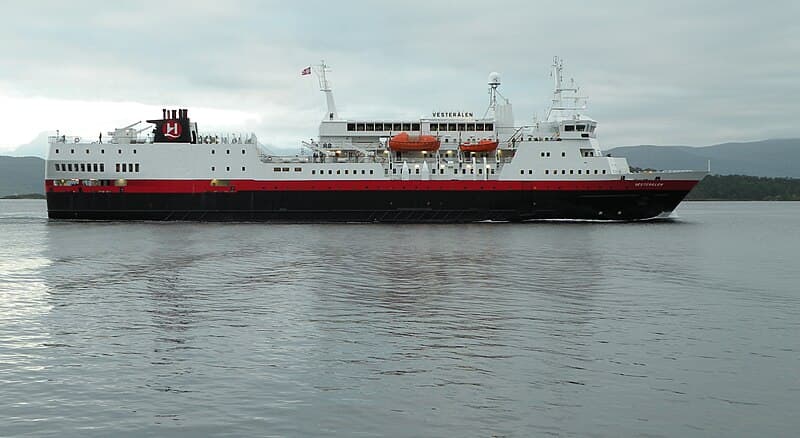
National Geographic Explorer offers more personal space with a space ratio of 43.7 GT per passenger versus 19.7. National Geographic Explorer edges ahead in service with a passenger-to-crew ratio of 1.7:1, meaning more crew per guest. MS Vesteralen accommodates 170 more guests (318 vs 148), making it the larger resort-at-sea — National Geographic Explorer trades capacity for a more intimate atmosphere.
Score: 3 – 3
Scroll to compare
National Geographic Explorer offers more personal space with a space ratio of 43.7 GT per passenger versus 19.7. National Geographic Explorer edges ahead in service with a passenger-to-crew ratio of 1.7:1, meaning more crew per guest. MS Vesteralen accommodates 170 more guests (318 vs 148), making it the larger resort-at-sea — National Geographic Explorer trades capacity for a more intimate atmosphere.
| Category | Winner |
|---|---|
| Size | National Geographic Explorer |
| Capacity | MS Vesteralen |
| Modernity | MS Vesteralen |
| Service | National Geographic Explorer |
| Spaciousness | National Geographic Explorer |
| Decks | Tie |
| Length | Tie |
| Fleet Power | MS Vesteralen |
Bottom line: MS Vesteralen and National Geographic Explorer split 3–3. Choose MS Vesteralen if capacity is your priority; choose National Geographic Explorer if size matters more.
You've compared the ships. Now see what they cost.
We may earn a commission from partner bookings at no extra cost to you.
| MS Vesteralen | National Geographic Explorer | |
|---|---|---|
| Cheapest | — | $10,129 pp |
| Departing | — | Aug 2 |
| Duration | — | null nights |
| View Deal |
Prices from Cruisebound. We may earn a commission at no extra cost to you.
Spots going fastLinblad / Nat. Geo. • National Geographic Explorer
Aug 2, 2026
 Linblad / Nat. Geo.
Linblad / Nat. Geo. • National Geographic Explorer
Sep 12, 2026
 Linblad / Nat. Geo.
Linblad / Nat. Geo. • National Geographic Explorer
Oct 21, 2026
Hotels & Accommodations Near Miami Cruise Port
Compare prices from 100+ booking sites
We compute scores across 8 categories using real spec data — gross tonnage, passenger capacity, crew capacity, year built, length, deck count, space ratio, and fleet power. Each category awards one point to the winning ship.
Space ratio is gross tonnage divided by passenger capacity. A higher number means more space per guest. Luxury lines typically score above 40; mass-market ships often fall in the 30-40 range.
Passengers per crew member. Lower is better — more staff per guest means better service. Luxury lines aim below 2:1; large mainstream ships may be 3-4:1.
Prices are sourced from Cruisebound and reflect real-time availability. They may change based on cabin type, date, and demand. Click through to see the latest fares.
Yes — up to four ships. Use the search tool on the compare hub page to add additional ships.
Specifications come from our database of 380+ vessels, revalidated every 5 minutes via ISR. The "Updated" timestamp shows when records were last modified.